What are Matchbox Cars?
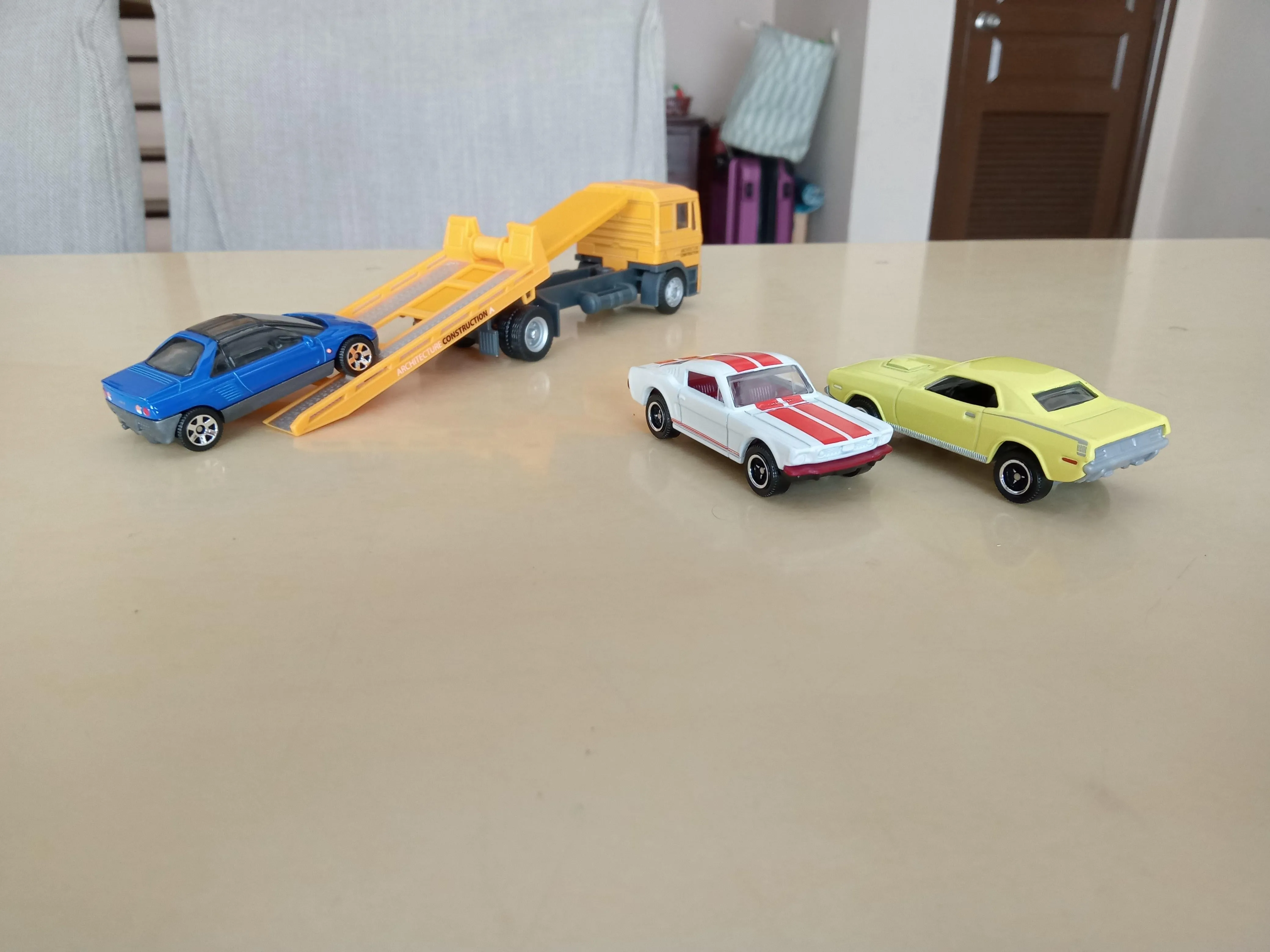
Matchbox Cars are miniature toy cars, trucks, and other vehicles produced by Lesney Products and later by Mattel. They are celebrated for their small scale, typically around 1:64, making them ideal for collecting and play. These iconic toys have captured the imaginations of children and adults alike for generations, representing a diverse range of vehicles from everyday cars to emergency services and construction vehicles. The appeal of Matchbox Cars lies not only in their playability but also in their collectibility, with many models becoming highly sought-after items among enthusiasts. Their affordability and widespread availability have contributed to their enduring popularity, making them accessible to a broad audience and a staple of childhood memories.
The History of Matchbox Cars
The story of Matchbox Cars began in 1953 with the founding of Lesney Products. The company’s founders, Leslie Smith and Rodney Smith (no relation), created these small-scale cars to fit inside a matchbox, hence the name. This ingenious packaging concept proved to be a massive success, launching the Matchbox brand to global recognition. The 1960s were a golden era for Matchbox, with the introduction of numerous models that are still coveted by collectors today. The brand’s expansion into various vehicle types, including trucks, buses, and even military vehicles, broadened its appeal. After the acquisition by Mattel in the 1990s, the brand has continued to evolve, introducing new castings, themes, and collaborations while staying true to its core values of quality and innovation.
What makes Matchbox Cars Diecast?

Diecast refers to the manufacturing process where molten metal is injected into a mold to create a specific shape. Matchbox Cars are primarily diecast, meaning their bodies are made using this technique. The use of diecast metal, typically a zinc alloy, gives Matchbox Cars their characteristic weight and durability. This contrasts with some other toy car brands that use plastic for the entire body. The diecast method allows for the precise replication of vehicle details, enhancing the realism of each model. The diecast process is a key factor in the long-lasting appeal of Matchbox Cars. The durable construction ensures they can withstand years of play and handling, making them a treasured part of many collections.
The Materials Used in Matchbox Cars
Matchbox Cars are made from a combination of materials, but the primary component is diecast metal. This metal gives the cars their weight and sturdy construction. The use of diecast metal ensures that the cars can withstand the rigors of play and handling. The other materials used include plastic for the windows, interiors, and wheels. Rubber tires are common, adding to the authenticity and providing a smoother rolling experience. These materials are carefully selected to create detailed and realistic miniature vehicles. The blend of materials gives Matchbox Cars their iconic look and feel, combining durability with intricate design elements.
Zinc Alloy
Zinc alloy is the primary metal used in diecasting the bodies of Matchbox Cars. This material is chosen for its excellent casting properties, allowing for intricate detailing and precise shapes. Zinc alloy is also relatively inexpensive and readily available. The alloy typically contains zinc, aluminum, magnesium, and copper, which combine to create a strong and durable metal. This alloy contributes significantly to the weight and solidity of each Matchbox Car, enhancing their tactile appeal. The corrosion resistance of zinc alloys is another advantage, helping to preserve the cars over time, even with frequent handling and exposure to different conditions.
Plastic Components

Plastic is utilized in various parts of Matchbox Cars. It’s often employed for interior details, windows, and wheels. Plastic components are chosen for their flexibility and ability to replicate complex shapes. These parts add detail to the cars, making them more appealing and realistic. The use of plastic allows for cost-effective manufacturing, without compromising the overall quality of the toy. The combination of plastic and diecast materials results in a well-balanced product that is both durable and detailed. The quality of the plastic used varies, but it generally withstands wear and tear, ensuring the cars remain intact during play.
Diecast Process
The diecast process is a key manufacturing technique for Matchbox Cars. Molten metal, usually a zinc alloy, is injected under high pressure into a mold. This mold is designed with intricate details to replicate the vehicle’s shape, features, and interior. The molten metal fills every nook and cranny of the mold, solidifying into the body of the car. Once cooled, the car body is extracted from the mold. This process enables manufacturers to create high volumes of precisely detailed parts with high efficiency. Diecast provides the durability and intricate detailing that defines Matchbox Cars, setting them apart from other toys. The meticulous nature of diecast gives each car a unique character.
The Benefits of Diecast Construction
Diecast construction offers several advantages for Matchbox Cars. The primary benefit is durability. Diecast metal is robust and withstands the wear and tear associated with regular play. The added weight also gives the cars a more substantial feel, contributing to their overall quality. This method is ideal for replicating realistic details, from the body lines to the intricate features. Furthermore, diecast metal can be painted and finished to create a variety of authentic appearances, making each car more visually appealing. Diecast also enables a high level of detail, helping to keep the cars attractive to collectors and children.
Durability and Longevity

The durability of diecast construction ensures that Matchbox Cars can withstand rough play. The metal body is resistant to dents, scratches, and other damage. This longevity makes them ideal for children. Diecast construction helps the toys last for years, often becoming treasured keepsakes that are passed down. The use of diecast ensures a level of quality that cannot be matched by plastic alternatives. The durable build allows for years of imaginative play. These cars often remain in good condition, even with frequent handling.
Realistic Detailing
Diecast allows for incredibly detailed designs. The casting process can capture fine details like grilles, headlights, and interior elements. This level of detail adds to the overall realism and appeal of each car. Diecast cars look more like their real-life counterparts. The precise detailing elevates the collecting experience and makes the toys more visually impressive. These fine details are not only aesthetically pleasing but also enhance the toy’s play value.
Collectibility and Value
Matchbox Cars are highly collectible, with certain models commanding significant prices. The collectibility is driven by factors such as rarity, historical significance, and condition. Rare models, special editions, and those in mint condition are especially sought after. The value of a Matchbox Car can vary widely, ranging from a few dollars to several hundred or even thousands for particularly rare pieces. Investing in Matchbox Cars is a rewarding hobby for many collectors. The potential for price appreciation and the enjoyment of collecting unique models make it a great hobby. The passion and demand make Matchbox Cars a viable investment for collectors.
Where to Buy Matchbox Cars

Matchbox Cars are widely available through various channels. Major retailers such as Walmart, Target, and Amazon carry a wide selection of current models. Many toy stores and hobby shops also offer Matchbox Cars, often including both new releases and vintage finds. Online marketplaces like eBay and specialized collector forums are excellent places to find rare or older models. Attending toy shows and swap meets can yield valuable additions to any collection. The widespread availability of Matchbox Cars makes them easy to find for anyone interested in collecting.
Tips for Collecting Matchbox Cars
Collecting Matchbox Cars can be a rewarding hobby. To start, focus on the eras or types of cars you are passionate about. Condition is critical when assessing value; look for models that are in mint or near-mint condition. Protect your collection from sunlight, dust, and moisture to preserve their value. Consider joining a collectors club or online forum to share information and learn from other enthusiasts. Focus on models that appeal to your interests and build a collection that you enjoy. Enjoy the hunt and the stories behind each car.
Identifying Valuable Matchbox Cars
Identifying valuable Matchbox Cars requires some knowledge of rarity and condition. Models with low production numbers or unique features are often worth more. Examine the condition of the car carefully, as mint-condition cars are highly desirable. Research the models you have to identify which are considered rare or special editions. Check online resources, collector guides, and price guides to estimate the value. The packaging of the car can also impact the value, so try to preserve any original boxes or packaging. These tips can help you in making more informed decisions when collecting.
How to Care for Your Matchbox Cars

Proper care will help preserve the value of your Matchbox Cars. Store your collection in a cool, dry place away from direct sunlight, which can fade paint and damage the plastic components. Use a soft cloth or brush to gently clean the cars and avoid harsh chemicals. When handling the cars, avoid touching the painted surfaces to prevent scratches. For display purposes, use cases or display cabinets to protect your collection from dust. Regularly inspect your cars for any signs of damage. Implementing these care practices will help maintain the value of your cars.