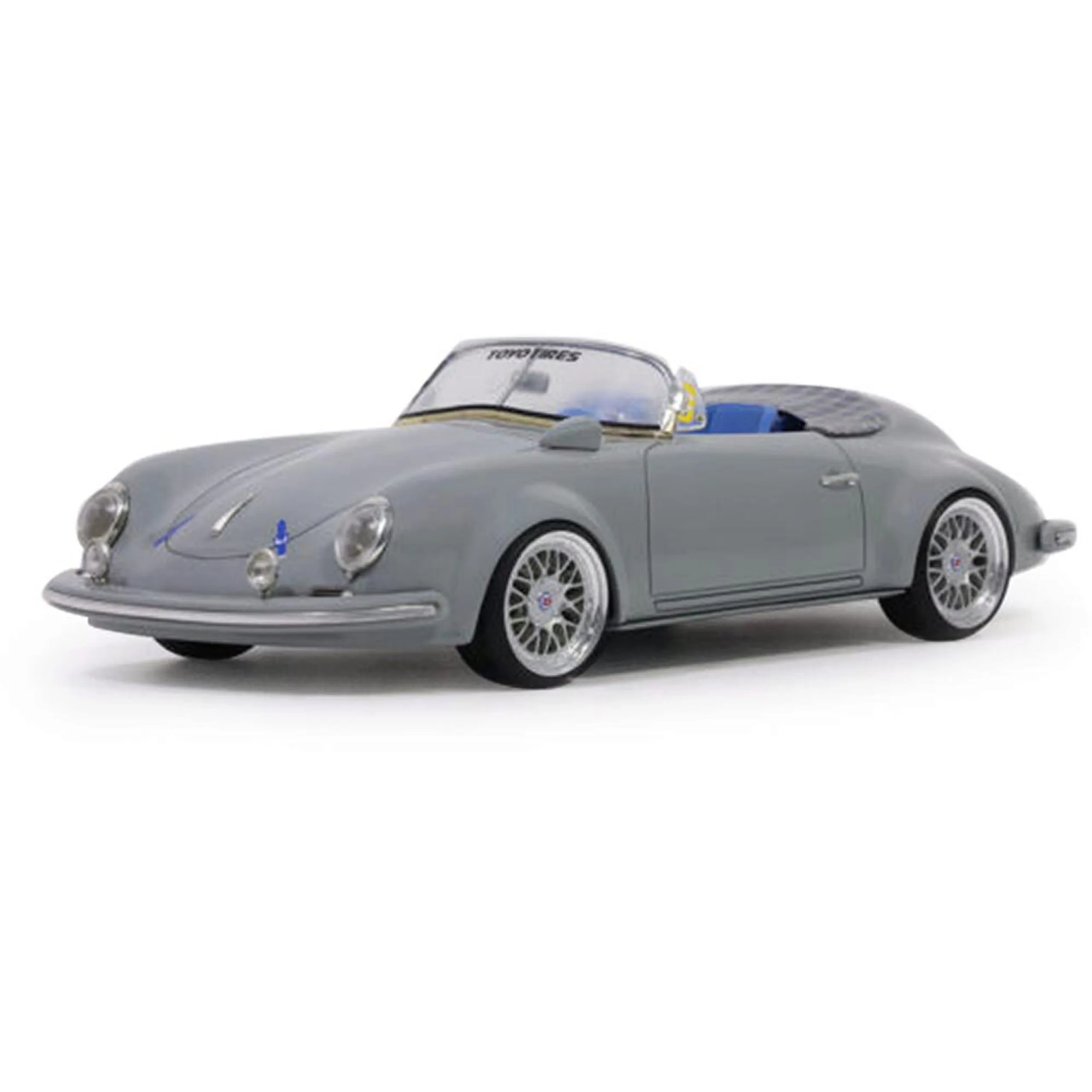
What are Legacy Diecast Cars
Legacy diecast model cars are miniature replicas of automobiles, typically made from die-cast metal. These models are highly sought after by collectors for their intricate detail, historical significance, and the nostalgia they evoke. Unlike plastic model cars, diecast models are created by injecting molten metal (usually zinc alloy) into a mold, a process that allows for the creation of complex shapes and fine detailing. The term “legacy” often refers to older models, vintage pieces, or those that have historical importance or have been discontinued, increasing their value and appeal among enthusiasts. The appeal of these cars lies not only in their aesthetic beauty, but also in the craftsmanship and the stories they tell about automotive history. Collecting legacy diecast cars is a hobby that blends history, art, and passion for automobiles, offering a tangible connection to the past.
Historical Significance
The historical significance of legacy diecast cars is profound, as these models often represent iconic vehicles from various eras, capturing the essence of automotive design and technology. They serve as miniature time capsules, reflecting the cultural and technological advancements of their time. Many models replicate vehicles that were groundbreaking in their engineering, design, or social impact. Collecting these models allows enthusiasts to own a piece of history, providing insights into the evolution of automobiles and the stories behind them. Furthermore, these models can represent pivotal moments in automotive history, commemorating legendary races, innovative designs, and the cars that shaped popular culture. They also document the evolution of manufacturing techniques, from the early hand-painted models to the highly detailed, mass-produced replicas we see today. Legacy diecast cars are more than just toys; they are miniature artifacts that connect us to a rich and compelling past.
Materials and Construction

The materials and construction of legacy diecast cars are crucial to their durability, detail, and value. The primary material used is die-cast metal, typically a zinc alloy, which provides a sturdy base and allows for intricate detailing. This metal is strong enough to withstand the molding process and provides a weight that enhances the realistic feel of the model. Other materials include plastic for interior components, tires, and other details, as well as glass or clear plastic for windows and lights. Paint is a critical element, with many models featuring meticulous paint jobs that replicate the original car’s colors and finishes. High-quality models often use multiple layers of paint and clear coats to achieve a realistic and durable finish. The assembly process is also important, with many models involving hand assembly and the use of adhesives, screws, and other fasteners. These construction methods impact the longevity and authenticity of the model.
Manufacturing Process
The manufacturing process of legacy diecast cars is a complex operation that requires precision and skill. It starts with the creation of molds, which are designed to replicate every detail of the original car. These molds are typically made of steel and can be quite intricate. Once the molds are ready, the die-casting process begins, where molten metal is injected under high pressure into the molds. This process ensures that every detail, from the body panels to the interior features, is accurately captured. After the metal cools and solidifies, the model is removed from the mold and undergoes a series of finishing processes. This may include trimming excess metal, sanding rough edges, and preparing the surface for painting. Painting is a critical step, where the model is painted with multiple layers and colors to match the original car’s specifications. Details such as logos, emblems, and trim are often applied using tampography or decals. Finally, the model is assembled, with various components added, such as wheels, windows, and interior details, before it undergoes quality control and packaging.
Collecting Legacy Diecast Cars
Rarity and Value

Rarity and value are key considerations for collectors of legacy diecast cars. The value of a model is determined by several factors, including its rarity, condition, brand, model, and historical significance. Rare models, such as limited-edition releases or those that were produced for a short time, often command higher prices. Condition plays a crucial role; models in mint condition with their original packaging are typically more valuable than those that show wear and tear. The brand and model also impact value, with models from renowned manufacturers and iconic vehicles usually being more desirable. Historical significance also plays a role; models that represent important moments in automotive history or that belonged to famous individuals can be extremely valuable. Collectors should research market prices and assess the model’s authenticity, condition, and rarity to determine its true value. Online auction sites, collector forums, and price guides can be useful resources to understand market trends and determine the price of a model.
Identifying Authentic Models
Identifying authentic models is critical to ensure that collectors invest in genuine legacy diecast cars. Begin by examining the model’s details; authentic models typically have high-quality paint, precise detailing, and accurate proportions. Examine the manufacturer’s markings, logos, and serial numbers, which should be clear and consistent with the brand’s standards. Research the model’s history to understand its production run, variations, and known flaws. Checking the model’s condition is also important; authentic models should show a level of wear and tear that is consistent with their age. Be cautious of models that appear too perfect, as these could be reproductions or fakes. Compare the model with known examples of the same type, paying attention to specific details such as the color of the paint, the style of the wheels, and the design of the interior. If possible, get the model authenticated by a reputable collector or appraiser who has experience with legacy diecast cars. When in doubt, always do thorough research and seek expert advice to verify the authenticity of the model.
Where to Find Legacy Diecast Cars
Finding legacy diecast cars involves exploring various avenues, from online platforms to local shops and events. Online marketplaces like eBay, specialized diecast car websites, and collector forums offer a wide selection of models from different eras and manufacturers. Auction sites often feature rare and vintage models, but it’s crucial to verify the seller’s reputation and the model’s authenticity. Local options include antique stores, flea markets, and car shows, which can provide opportunities to discover unique models at affordable prices. Collectors can connect at diecast car shows and conventions to meet other enthusiasts, exchange information, and buy and sell models. Always inspect the model in person if possible, paying attention to details like paint, condition, and manufacturer markings. Networking with other collectors and joining collector groups can provide access to models and valuable insights. Be patient and persistent, and enjoy the thrill of the hunt to find rare and valuable legacy diecast cars.
Popular Brands and Models

Classic Brands
Several classic brands have significantly shaped the legacy diecast car industry, producing highly sought-after models that are prized by collectors. Names like Dinky Toys, Corgi, and Matchbox are synonymous with quality and craftsmanship, producing iconic models that capture the essence of automotive history. Dinky Toys, with its detailed models of British vehicles, is highly regarded for its attention to detail and historical accuracy. Corgi is known for its iconic models of classic cars, often with features like opening doors and detailed interiors. Matchbox, famous for its miniature cars, revolutionized the diecast car market and is still highly popular. Other notable brands include Hot Wheels, which is known for its unique designs and innovative features, and Minichamps, which produces highly detailed models of racing and sports cars. These brands’ models are highly valued by collectors because of their historical significance, detailed craftsmanship, and the nostalgic memories they invoke. Understanding the history and characteristics of these brands is important for any collector.
Iconic Models
Iconic models are the cornerstones of any legacy diecast car collection, representing milestones in automotive history and design. These models have often achieved legendary status, appreciated for their historical importance, design details, and rarity. The Ford Mustang is a classic example, celebrated for its powerful design and cultural impact. The Jaguar E-Type, with its sleek lines and advanced engineering, is another iconic model that is frequently found in collections. The Mercedes-Benz 300SL Gullwing, known for its unique doors, is a symbol of luxury and innovation. Similarly, the Aston Martin DB5, famous for its appearance in the James Bond film, is a coveted model for its association with popular culture. Other notable models include the Porsche 911, the Chevrolet Corvette, and various classic racing cars that captured the thrill of competition. Owning these models is like owning a piece of automotive history, providing a connection to the cars that shaped the automotive landscape.
Preserving and Displaying Legacy Diecast Cars

Proper Storage
Proper storage is crucial for preserving the condition of legacy diecast cars, protecting them from damage and maintaining their value. The most important considerations include temperature, humidity, and light exposure. Store models in a cool, dry, and dark environment, away from direct sunlight, which can cause the paint to fade and the plastic components to degrade. Maintain a consistent temperature between 60 and 70 degrees Fahrenheit to avoid expansion and contraction of the metal. Use a humidity level of around 50% to prevent rust and corrosion, using a dehumidifier if needed. Protect models from dust and debris by storing them in their original boxes or display cases. If the original packaging is unavailable, use acid-free tissue paper or soft cloths to wrap the models. Avoid stacking models on top of each other, as this can lead to scratches or damage. Regularly inspect your collection to ensure that conditions are maintained, and address any issues promptly to protect the investment.
Display Techniques
Effective display techniques can showcase legacy diecast cars while protecting them. Display cases are a popular option, offering protection from dust and physical damage, and providing a clear view of the models. Choose display cases with UV protection to prevent the fading of paint and details. Arrange models in an aesthetic manner, organizing them by brand, model, or era to create a visually appealing display. Use lighting to highlight the details of the models, but avoid direct sunlight. Rotating the display can help to showcase all of the models in the collection. Consider using display stands or platforms to elevate the models and create a more dynamic presentation. Keep your display clean, regularly dusting and wiping down the surfaces. Make sure your display area is away from areas of high traffic or where accidents could occur. A well-designed display enhances the enjoyment of the collection and safeguards your valuable legacy diecast cars.
Cleaning and Maintenance

Regular cleaning and maintenance are vital for keeping legacy diecast cars in excellent condition and preserving their value. Start by dusting your models regularly using a soft, clean brush or microfiber cloth to remove dust and dirt. For more stubborn grime, use a mild soap solution mixed with water, being careful not to get the model too wet. Apply the solution to a soft cloth and gently wipe the model, paying attention to crevices and details. After cleaning, dry the model thoroughly with a soft, clean cloth. Avoid using harsh chemicals, solvents, or abrasive cleaners, as these can damage the paint and details. Check for any loose parts or damage, and carefully repair any issues. To remove rust, use a rust remover specifically designed for metal, following the manufacturer’s instructions. Apply wax to protect the paint and give your models a beautiful shine. Regular cleaning and maintenance will keep your legacy diecast cars in top condition for years to come.