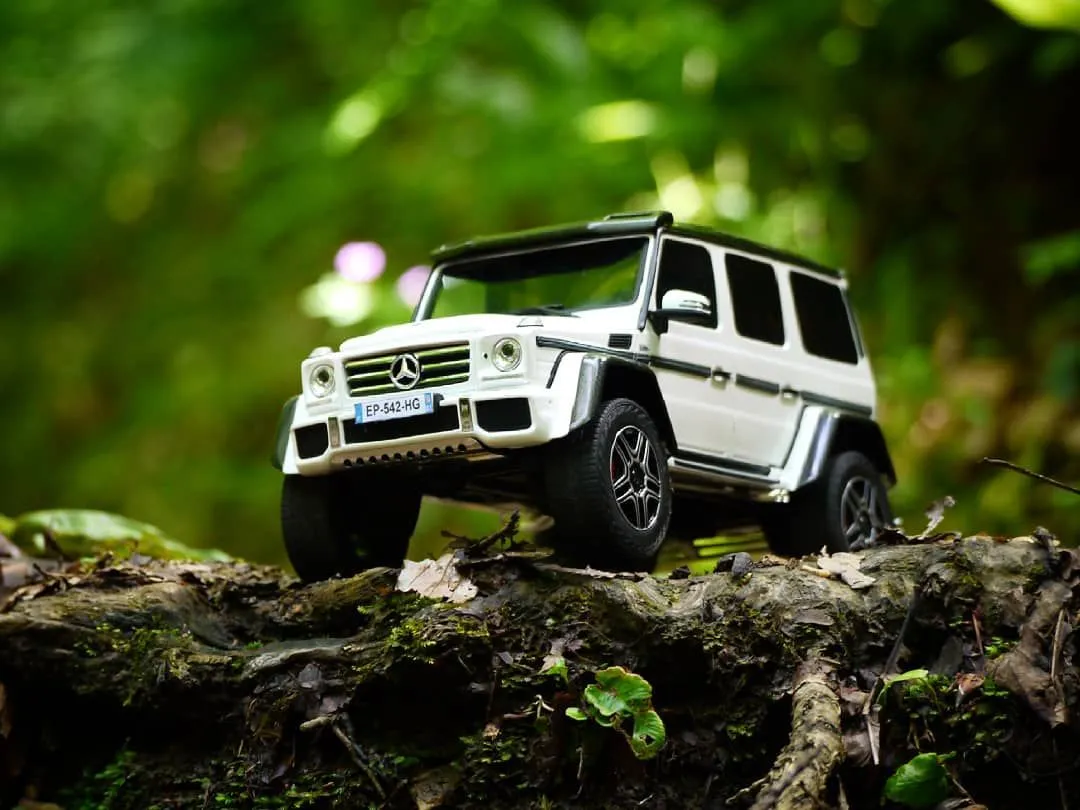
The Allure of Hot Wheels Miniature Diecast
Hot Wheels miniature diecast cars have captured the hearts of collectors and enthusiasts of all ages for decades. These meticulously crafted miniature vehicles offer a unique blend of nostalgia, artistry, and investment potential. The thrill of the chase, the joy of finding a rare model, and the satisfaction of completing a collection are all powerful motivators. Moreover, Hot Wheels represent a tangible link to childhood memories and the evolution of automotive design, making them far more than just toys. They are miniature pieces of art, reflecting cultural trends and technological advancements, appealing to a broad audience, from casual fans to serious collectors. The detailed craftsmanship and the wide variety of models available further contribute to their enduring appeal.
The History of Hot Wheels
The Origins and Early Years

The story of Hot Wheels began in the mid-1960s with the vision of Elliot Handler, co-founder of Mattel. Handler wanted to create toy cars that were not only visually appealing but also performed well on tracks. The first Hot Wheels cars, introduced in 1968, were revolutionary. Featuring sleek designs, vibrant colors, and the now-iconic redline tires, they were an instant hit. They were designed to be fast, incorporating features like low friction axles and a special suspension system, setting them apart from competitors. The early years were marked by rapid innovation and a constant stream of new models, quickly establishing Hot Wheels as a leader in the diecast market.
The Impact on Pop Culture
Hot Wheels didn’t just dominate the toy market; they also made a significant impact on popular culture. The cars became symbols of speed, style, and freedom, mirroring the values of the era. They were featured in movies, television shows, and various forms of media. The brand’s influence extended beyond toys, inspiring car enthusiasts, designers, and artists alike. Hot Wheels’ ability to stay relevant across generations is a testament to its clever marketing, constant innovation, and ability to connect with both children and adults. Their continuous evolution reflects the ever-changing tastes of the public, solidifying their place in cultural history. Hot Wheels continues to collaborate with famous car brands and designers, maintaining their relevance in the automotive world.
Materials and Manufacturing of Miniature Diecast
Diecast Metal Composition

The majority of Hot Wheels cars are made using diecast metal, which is a process where molten metal is injected into molds under high pressure. The most common metal used is zinc alloy, often referred to as Zamak, which offers an excellent balance of durability, detail reproduction, and cost-effectiveness. Other metals may be included in the alloy to enhance properties such as hardness or corrosion resistance. The use of diecast metal allows for intricate designs and sharp details, which is a hallmark of Hot Wheels cars. The precise control over the manufacturing process is crucial in achieving high-quality results, ensuring each car meets the brand’s stringent standards. This material choice is fundamental to the longevity and collectibility of Hot Wheels.
The Production Process
The production of Hot Wheels is a complex, multi-step process. It begins with the design phase, where designers create the car’s appearance, often collaborating with automotive manufacturers for licensed models. After the design is finalized, molds are created. Molten metal is then injected into these molds under high pressure, forming the car’s body. Once the metal has cooled and solidified, the excess material is trimmed away, and the car body is then cleaned and prepared for painting. Painting involves several coats, often using specialized paints that offer vibrant colors and durable finishes. Finally, the car is assembled, with details such as wheels, windows, and interior components added. Each step of the process demands precision and meticulous attention to detail to guarantee that the finished product meets the exacting quality requirements associated with the Hot Wheels brand.
Design and Detailing of Miniature Diecast
The Role of Designers and Artists

The designers and artists at Hot Wheels play a crucial role in creating the brand’s unique appeal. They are responsible for conceptualizing new car models, collaborating with car manufacturers for licensing, and ensuring that each car has a unique look and feel. The design process involves creating detailed sketches, 3D models, and prototypes. These professionals must balance aesthetics, performance, and the practicalities of mass production. Their creativity drives the innovation that keeps Hot Wheels fresh and appealing to a wide audience. Designers are often inspired by real-world vehicles, current trends, and futuristic concepts. Their talent is what makes each car not just a toy, but a work of art.
The Importance of Scale and Accuracy
Scale and accuracy are critical aspects of Hot Wheels design. Most Hot Wheels cars are produced at a 1:64 scale, allowing for a high level of detail in a compact size. Accurate scale reproduction ensures that the miniature cars resemble their real-life counterparts as closely as possible, attracting serious collectors. Detailed features like the interior, engine, and exterior design elements must be proportionately scaled. Maintaining this accuracy requires precision in manufacturing and a deep understanding of automotive design. This meticulous approach to scale and detail is a key factor in making Hot Wheels a favorite among both children and adult collectors. The combination of accurate representation and imaginative design is what gives Hot Wheels cars their iconic status.
Collecting Hot Wheels Miniature Diecast
Factors Influencing Value and Rarity

Several factors influence the value and rarity of Hot Wheels cars. Limited edition models, those produced in small quantities, are often highly sought after. Errors in production, such as misprints or incorrect parts, can significantly increase a car’s value. Vintage models, especially those from the early years, are typically more valuable due to their scarcity and historical significance. Condition is another crucial factor; cars in mint condition, with original packaging, command higher prices. Furthermore, collaborations with other brands, unique paint jobs, and special features, such as Real Riders wheels (rubber tires), can increase a car’s desirability and value. Knowledge of these factors is essential for collectors looking to build a valuable collection.
Tips for Building a Collection
Building a Hot Wheels collection can be a rewarding hobby. Start by identifying your collecting interests, which could include specific car models, themes, or eras. Researching the market and understanding the value of different cars is essential. Join online forums, attend car shows, and connect with other collectors to share knowledge and insights. Organize your collection, storing cars safely in protective cases or displays. Keeping track of your collection with a digital or physical inventory can also be helpful. Be patient and persistent; the thrill of the hunt is a significant part of the hobby. The most important piece of advice is to collect what you love, and enjoy the process.
Where to Find and Buy Miniature Diecast
Online Marketplaces and Retailers

Online marketplaces and retailers offer a wide range of options for acquiring Hot Wheels cars. Websites like eBay, Amazon, and dedicated diecast car marketplaces provide access to both new releases and vintage models. These platforms allow collectors to browse thousands of cars, compare prices, and read reviews. Many retailers, like Walmart, Target, and specialty toy stores, also sell Hot Wheels. Collectors can often find exclusive models and limited editions online. Before purchasing, it is crucial to check seller ratings, examine product descriptions, and verify the authenticity of the cars. Utilizing these resources offers convenience and a vast selection, enabling collectors to find the specific cars they are looking for.
Local Collectibles Shows and Events
Local collectibles shows, toy fairs, and car shows provide an excellent opportunity to discover and purchase Hot Wheels. These events bring together collectors, sellers, and enthusiasts, creating a vibrant community. Collectors can browse a wide variety of cars, often at competitive prices, and find rare or hard-to-find models. These events also offer a chance to meet other collectors, share knowledge, and build relationships. Attending shows is an exciting experience; it also allows collectors to examine cars in person, assess their condition, and negotiate prices. Finding local events can be accomplished through online search and by joining collecting groups. This personal interaction adds another layer of enjoyment to the hobby.