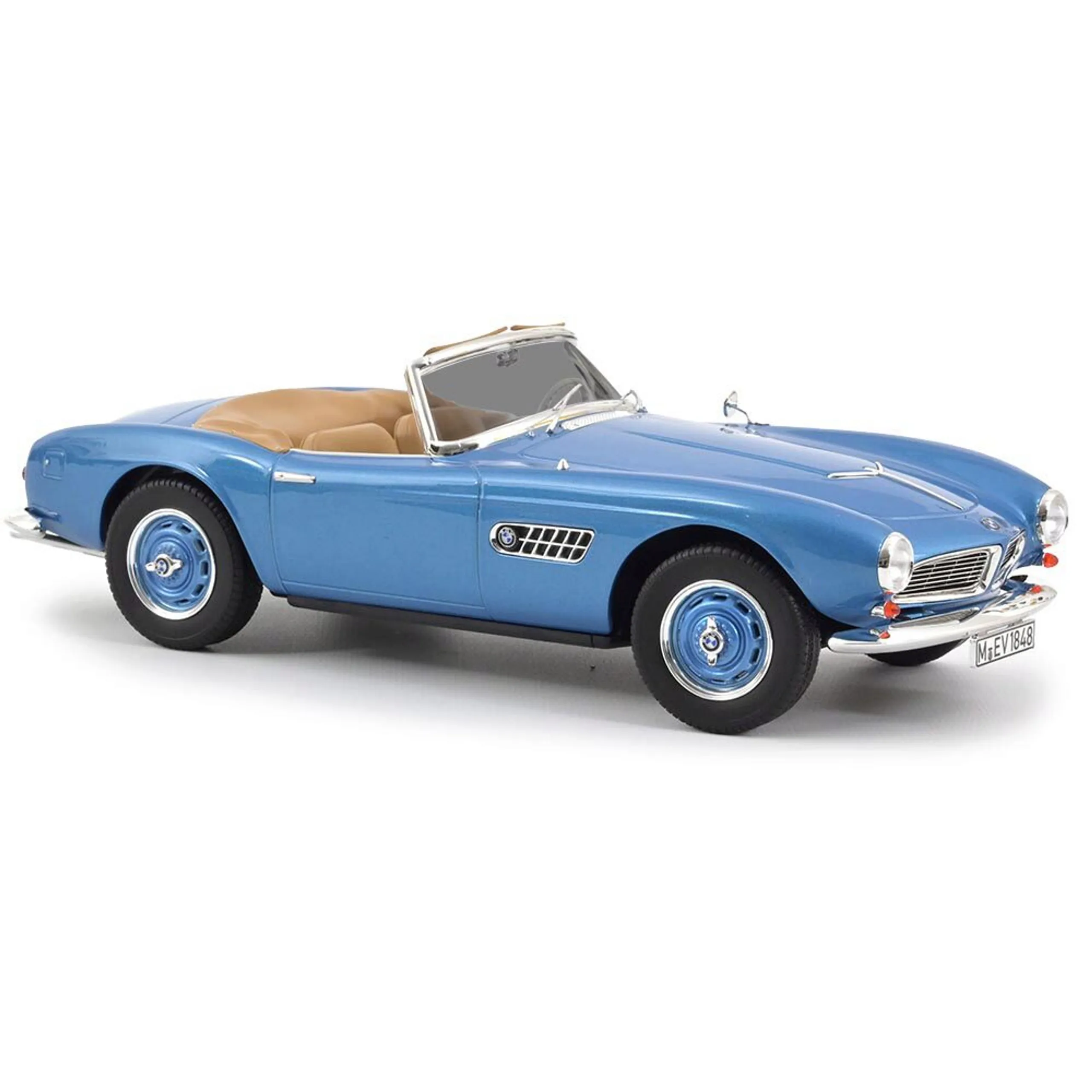
What are Diecast Toy Cars
Diecast toy cars have captivated enthusiasts of all ages for decades. These miniature marvels are typically made from a zinc alloy, giving them a satisfying weight and realistic feel. Their popularity stems from their incredible detail and the wide variety of models available, representing everything from classic cars to modern supercars. Diecast cars are more than just toys; they are miniature works of art that can be collected, displayed, and even appreciated as investments. Starting a collection of diecast cars is a rewarding hobby that offers a chance to connect with history, appreciate craftsmanship, and express personal interests in automobiles. The appeal lies not just in the cars themselves but also in the community of collectors who share a passion for these miniature masterpieces. With so many options available, you can build a collection that reflects your tastes.
Definition and Overview
Diecast cars are produced using a die-casting process, where molten metal is injected into molds to create intricate shapes. This method allows for high levels of detail, including features like opening doors, hoods, and trunks. The resulting cars are then often painted and assembled with other materials such as plastic and rubber to create highly realistic models. The term ‘diecast’ refers to the process of manufacturing, not the material itself, though the zinc alloy is the defining element. These miniature replicas are often made in various scales, with the most common being 1:18, 1:24, and 1:43, which indicates the ratio of the model’s size to the real car. From classic cars to modern sports cars, the range is vast, making it easy to find models that resonate with personal preferences. They’re prized for their accuracy, detail, and the nostalgic value they hold for many collectors. Collectors appreciate the precision and craftsmanship involved in these miniature versions of iconic vehicles.
The Appeal of Diecast Cars

The enduring appeal of diecast toy cars lies in several key factors. Firstly, the nostalgia factor is undeniable. For many, these cars evoke memories of childhood, of playing and dreaming about the cars they’d one day drive. Secondly, the variety is immense. Collectors can choose from a vast range of vehicles, representing various eras, manufacturers, and models, ensuring there is something for everyone. The attention to detail is another major draw, with many models featuring realistic interiors, opening doors, and accurately replicated paint jobs. Finally, diecast cars offer an accessible entry point into the world of collecting. They are relatively affordable, and the market is diverse, making it possible to start a collection without significant financial investment. Diecast cars also connect collectors with the history of automobiles. Collectors also enjoy the community aspect, with online forums and local clubs providing opportunities to share their passion and knowledge.
Types of Diecast Toy Cars to Collect
The world of diecast collecting is vast and varied, offering a model for every taste. Different types of diecast cars cater to distinct preferences, ranging from scale models to vehicles based on era or manufacturer. Understanding these categories can help you narrow down your focus and build a collection that aligns with your interests. This allows you to appreciate the diversity and richness of the diecast car hobby. Each category offers unique opportunities for collecting, whether you are passionate about specific cars or historical periods. Consider what appeals to you most, and start from there to find the focus for your diecast car collection.
Scale Models
Scale models are the most common way to categorize diecast cars, as they refer to the ratio between the model’s size and the actual car’s size. The most popular scales include 1:18, 1:24, and 1:43. 1:18 scale models are larger and more detailed, making them ideal for displaying intricate features. 1:24 scale offers a balance between size and detail. 1:43 scale models are smaller and more affordable, making them great for building a large collection. Each scale provides a different collecting experience, depending on the detail, display options, and available space. Consider what size cars are most appealing to you, and what scale you are most interested in. These varied scales allow collectors to focus on specific sizes based on their preference, available space, and budget.
Model Cars Based on Era
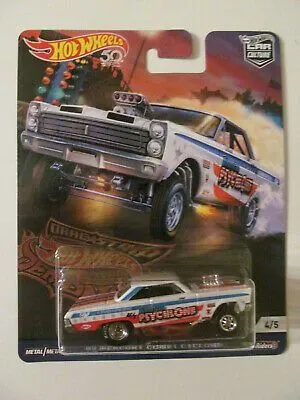
Collecting diecast cars by era is a popular approach, allowing you to focus on vehicles from specific historical periods. You could collect classic cars from the early 20th century, focusing on vintage models that showcase the evolution of automotive design. Alternatively, you may prefer collecting cars from the 1950s and 60s, the golden era of American automobiles, with iconic fins, chrome accents, and bold colors. Modern car enthusiasts might concentrate on contemporary sports cars and luxury vehicles, including those from the 1980s, 1990s, and beyond. This approach allows for a curated collection that reflects personal interests in history and automotive design. Selecting a period provides a cohesive theme and can make the collection more manageable and focused.
Model Cars Based on Manufacturer
Collecting by manufacturer is another focused strategy, allowing you to build a collection around your favorite car brands. You might concentrate on iconic brands such as Ferrari, known for their high-performance sports cars and luxurious designs, or build a collection of classic American cars from manufacturers like Ford, General Motors, and Chrysler. Alternatively, you could collect models from European brands like Mercedes-Benz, BMW, or Porsche, known for their engineering and style. This approach also means you could collect models from Japanese car manufacturers such as Toyota or Honda, which offer reliable and innovative vehicles. By concentrating on a specific brand, you can appreciate the unique design and history of that manufacturer. This focus gives the collection a cohesive identity and can be highly rewarding for brand enthusiasts.
Where to Buy Diecast Toy Cars
Finding the right sources to buy diecast cars is a crucial step in starting your collection. There are several avenues, each offering different benefits. From online marketplaces to specialty shops, the options range from convenience to expert advice. The key is to explore the various channels and find the ones that best suit your needs and preferences. Understanding the benefits and drawbacks of different sources will help you navigate the market effectively and acquire the models you desire. Researching the different sources also prepares you to avoid common pitfalls when buying diecast cars.
Online Marketplaces
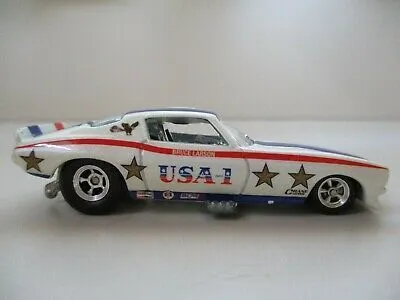
Online marketplaces, such as eBay and Amazon, offer a vast selection of diecast cars. These platforms provide convenience and a wide variety of models from various sellers. You can find both new and vintage models, often at competitive prices. Be sure to thoroughly review seller feedback and product descriptions before making a purchase. Consider shipping costs and return policies. While online marketplaces offer a great selection, the quality can vary, and it is important to buy from reputable sellers. Using online marketplaces can be a valuable tool for building your diecast car collection, making it possible to easily compare prices and find rare models that might be difficult to find elsewhere. With proper research, you can discover unique items at fair prices.
Specialty Shops
Specialty shops and hobby stores are excellent resources for diecast cars. These stores usually have curated collections, often offering expert advice and guidance. The staff can help you find specific models or answer any questions you might have about the hobby. Specialty shops offer a more hands-on experience, allowing you to examine the models closely before purchasing. This can be particularly helpful when assessing the quality and detail of the diecast cars. Many shops also host events and provide a community atmosphere for collectors, fostering a passion for collecting. Furthermore, specialty shops often carry limited edition or hard-to-find models. Shopping in these stores provides opportunities to build relationships with other collectors, share tips, and gain insider knowledge on the best deals available.
Collecting Tips
As you begin your diecast car collection, there are a few key collecting tips to keep in mind. These tips can improve your collection and add to your enjoyment of this hobby. They range from focusing on your favorite cars, setting a budget, and keeping track of the details about each car. These tips also include where to buy and how to keep your collection looking its best. These collecting tips are valuable and will add value to your hobby.
Start with What You Love

The most important tip is to collect what you are passionate about. Whether it’s classic cars, specific manufacturers, or particular models, building a collection that reflects your interests will make the hobby much more enjoyable. Don’t feel pressured to collect what is popular or what you think is valuable. Your passion and enjoyment should drive your collecting decisions. You are more likely to stay engaged with your collection and be satisfied with the result. By focusing on your preferences, you will build a more meaningful and personally rewarding collection. Build your collection with the cars you dream of owning.
Consider Your Budget
Set a budget and stick to it. Diecast cars can range in price from a few dollars to hundreds, depending on the model and rarity. Decide how much you’re willing to spend and manage your purchases accordingly. Budgeting can help prevent overspending. It allows you to spread your spending over time, adding to your collection without overstraining your finances. It ensures you continue to enjoy the hobby without feeling financially burdened. Keep a record of your spending to help you manage your budget effectively. Consider setting aside a portion of your income each month for collecting. This approach makes the hobby more sustainable and allows you to slowly but steadily grow your collection.
Learn About Different Scales
Familiarize yourself with the various scales available. As previously mentioned, scales like 1:18, 1:24, and 1:43 are the most common. Understanding the differences will help you decide which scales best suit your collecting goals and display preferences. Larger scales offer more detail but take up more space. Smaller scales are easier to accommodate but may have fewer details. Researching scales will help you plan the presentation of your collection. Make sure to take note of the space you have available when building your collection. Understanding different scales is an important part of starting your diecast toy car collection.
Research and Compare Prices
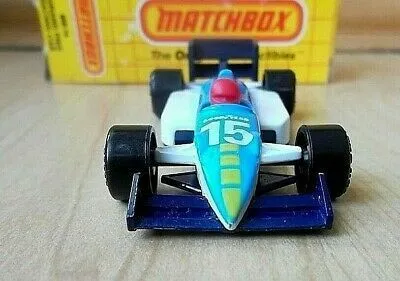
Do your research. Before making a purchase, compare prices from different sellers and platforms. Check the model’s condition, any special features, and the seller’s reputation. A little research can often save you money. It also helps to ensure that you are buying authentic and high-quality models. Look for reviews and feedback from other collectors. Knowing the history of the cars, including their rarity, will also assist in your purchases. Take advantage of online resources, forums, and other collectors to learn more about the cars you are looking to collect. This diligence will make your collecting experience more rewarding.
Storing and Displaying Your Collection
Proper storage and display are essential for preserving your diecast cars and showcasing your collection. Consider dust-free display cases or shelves to protect your models from damage. Ensure they’re kept away from direct sunlight and extreme temperatures, which can fade paint or degrade the materials. Regularly clean your models with a soft cloth to remove dust and debris. Organizing your collection by scale, manufacturer, or era will also enhance its visual appeal. Your choices for how to store your diecast cars are many, from display shelves to dedicated storage boxes. Displaying your collection can be just as exciting as collecting the models themselves. Your collection is an investment, both in terms of cost and enjoyment, so proper care is important.