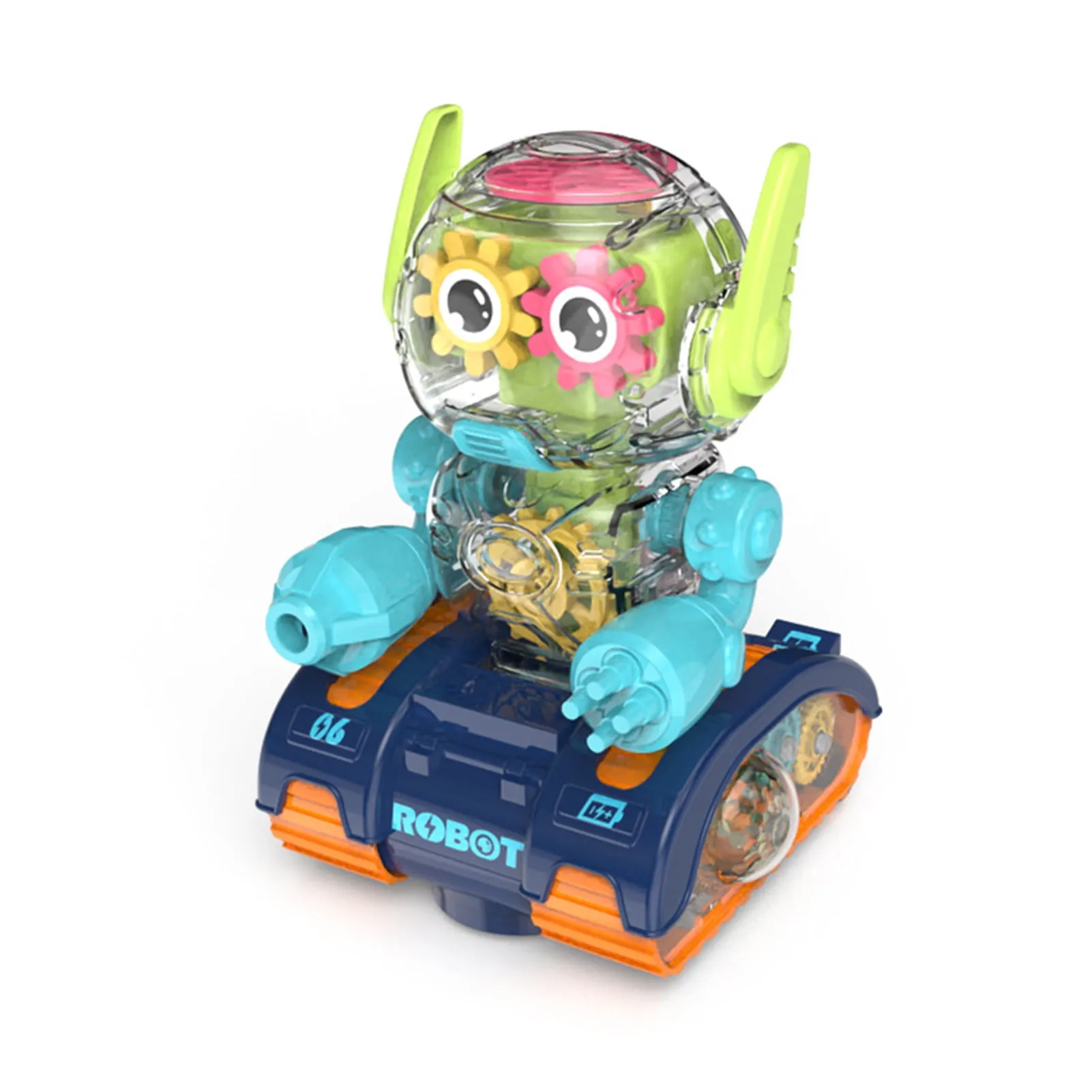
What are Diecast Robot Toys
Diecast robot toys are a fascinating blend of nostalgia, craftsmanship, and engineering. These toys are primarily constructed using a die-casting process, where molten metal, usually zinc alloy, is injected into molds to create intricate and detailed parts. The resulting robots often feature a substantial weight and a premium feel, setting them apart from their plastic counterparts. These toys are not just playthings; they are miniature works of art, sought after by collectors and cherished by enthusiasts. The use of metal gives them a unique presence and durability that adds to their allure, making them a lasting testament to design and quality.
The Appeal of Diecast Robot Toys
The appeal of diecast robot toys extends beyond their physical attributes. They often represent beloved characters from movies, television shows, and comic books, which immediately draws in fans. The tactile experience of holding a weighty, metal robot is vastly different from handling a lightweight plastic toy. This adds a sense of value and quality. The level of detail that can be achieved through die-casting allows for intricate designs and realistic features, further enhancing their appeal. For many collectors, these toys evoke a sense of nostalgia, reminding them of their childhoods and the joy of collecting.
Durability and Build Quality

One of the primary attractions of diecast robot toys is their exceptional durability. The metal construction provides a robustness that plastic toys simply cannot match. This means they are far less susceptible to breakage, making them ideal for both display and occasional play. The build quality is generally superior, with tighter tolerances and a more solid feel. This durability makes them a worthwhile investment for collectors and a toy that can withstand the test of time. They are designed to last, making them a cherished item for generations.
Materials Used
The primary material used in diecast robot toys is typically a zinc alloy, although aluminum and other metals may be incorporated. These metals are chosen for their ability to be die-cast into complex shapes, their strength, and their ability to hold fine details. The exact composition varies between manufacturers and models, but the goal is always to create a sturdy, aesthetically pleasing, and long-lasting toy. The metal components are often combined with plastic or other materials for articulation, accessories, or other design features. This combination offers both durability and intricate detailing.
Manufacturing Process
The die-casting process involves injecting molten metal under high pressure into a mold. This process allows for the creation of highly detailed parts with precision. After the metal cools and solidifies, the parts are removed from the mold and finished. This finishing process includes cleaning, polishing, and painting, to bring the toy to life. The complexity of the mold design and the skill of the manufacturing team are crucial to the final product’s quality. Many diecast robot toys go through multiple rounds of inspection to ensure quality control standards are met.
Weight and Feel

The weight and feel of a diecast robot toy are significant factors in its appeal. The heft of the metal provides a sense of quality and substance that enhances the overall experience. When you hold a diecast robot toy, you immediately notice the difference compared to a plastic equivalent. This weight contributes to a premium feel and adds to the perceived value of the toy. The solid construction and weight also make the toy feel more substantial, which can enhance the play experience for younger users. The weight also makes them more stable, which allows them to stay in the position the user puts them in.
Collectibility and Value
Diecast robot toys are highly collectible items, and their value can vary significantly depending on factors such as rarity, condition, and brand. Limited edition releases and vintage models often command high prices among collectors. The collectibility of these toys is driven by a combination of factors, including the nostalgia they evoke, the quality of their construction, and the dedication of the collector community. Owning a diecast robot toy can become a rewarding hobby, allowing you to appreciate the craftsmanship that has gone into each model and the enjoyment of building a valuable collection.
Rarity and Limited Editions
Rarity plays a key role in determining the value of a diecast robot toy. Limited edition releases, those produced in smaller quantities, are often highly sought after by collectors. These limited editions can include special paint schemes, unique accessories, or other distinguishing features that set them apart from standard releases. The scarcity of these items drives up demand, and therefore their value. When looking to purchase a diecast robot toy, collectors should always consider how rare the model is and how many copies were released. This is an important aspect of investing in any collectable.
Factors Affecting Value

Several factors influence the value of a diecast robot toy. The condition of the toy is critical, with mint-in-box examples commanding the highest prices. Rarity, as mentioned earlier, is a significant factor. The brand and the reputation of the manufacturer also play a role, as certain brands are more highly regarded by collectors. Original packaging, accessories, and documentation will increase the value significantly. The age of the toy also contributes, with vintage models often fetching higher prices. Finally, the popularity of the character or design from which the robot is based impacts the value. This is what helps to drive collector interest.
Iconic Diecast Robot Toy Brands
Several brands have become synonymous with diecast robot toys. These brands have earned reputations for quality, design, and collectibility. Brands such as Bandai, Takara Tomy, and Sentinel are highly regarded in the industry. These companies are known for producing high-quality robots with detailed designs and robust construction. Their products often represent popular characters from anime, manga, and other franchises. The reputation of a brand can greatly influence the appeal and value of the toys. Choosing a toy from a reputable brand is often a guarantee of quality.
Popular Diecast Robot Toy Models
Certain diecast robot toy models have achieved iconic status among collectors. These models often represent beloved characters or feature innovative designs. The Transformers franchise has many popular diecast models, like Optimus Prime and Megatron. Other popular models come from anime series such as Gundam, and Mazinger Z. These models are often characterized by their intricate detailing, poseability, and high-quality construction. They are not just toys; they are a representation of the characters that people love. Collectors around the world search for these iconic models to add to their collection.
Key Features to Look For

When purchasing a diecast robot toy, it is essential to consider certain key features that determine its quality and value. The materials used in the construction should be a primary factor. Look for toys that use high-quality metal alloys for durability and a premium feel. The level of detail in the design is also critical. Well-crafted robots should exhibit intricate detailing, including accurate paint applications and realistic features. Articulation, or the ability of the toy to move, is another essential feature, as it allows for posing and display. The accessories and extras included with the toy, such as weapons, add-ons, or display stands, can also impact its overall appeal.
Articulation and Poseability
The articulation of a diecast robot toy significantly impacts its playability and display options. Look for models that offer a good range of motion in the arms, legs, head, and other joints. This allows you to pose the toy in dynamic and interesting ways. High articulation often includes ball joints, swivel joints, and other mechanisms. These joints provide greater flexibility. The more articulation points a robot toy has, the more expressive and versatile it is, making it more engaging for both play and display. Good articulation adds to the value, allowing the owner to show off the robot in a lot of different positions.
Accessories and Details
The accessories and details of a diecast robot toy are critical to its overall value and appeal. Additional weapons, alternate hands, and display bases enhance the play and display possibilities. These accessories not only add to the visual appeal of the toy but also increase its collectibility. The fine details, such as paint applications and sculpted elements, further enhance the toy’s realism and appeal. Paying attention to these accessories and details is a key factor for collectors in determining the quality and the investment value of the product. They enhance the play experience and add to the display appeal.
Maintenance and Care

Proper maintenance and care are essential to preserving the condition and value of your diecast robot toys. Regularly cleaning the toys to remove dust and dirt is critical, as it can cause scratches. It’s advisable to avoid exposing the toys to direct sunlight or extreme temperatures, which can damage the paint and materials. Storing the toys in a cool, dry place is recommended, and using display cases will help protect them from dust and accidental damage. Handling the toys with care will prevent scratches and other imperfections. Routine maintenance will help ensure the longevity and value of your collection, maintaining them in good condition for years to come.
Cleaning and Storage
Cleaning your diecast robot toys should be done gently and regularly. Using a soft cloth or a specialized toy cleaner can help remove dust and dirt. Avoid harsh chemicals or abrasive materials that can damage the paint or the finish. Proper storage is also important. Store the toys in a cool, dry place away from direct sunlight and extreme temperatures. Consider using display cases or protective containers to protect them from dust, scratches, and accidental damage. Organizing the toys in your collection and rotating them for display can also preserve their appearance. Taking these steps will ensure that your toys remain in excellent condition and maintain their value.
Displaying Diecast Robot Toys
Displaying your diecast robot toys is an important part of enjoying your collection. Choose display cases or shelves that offer adequate protection from dust and damage. The display should be a focal point. Consider the layout and lighting, as these elements can enhance the visual appeal of your collection. Arranging your toys by brand, series, or character can create a cohesive and organized display. Rotating your collection can prevent fading and keep the display fresh. Careful planning and execution will showcase your valuable collection in an attractive manner.