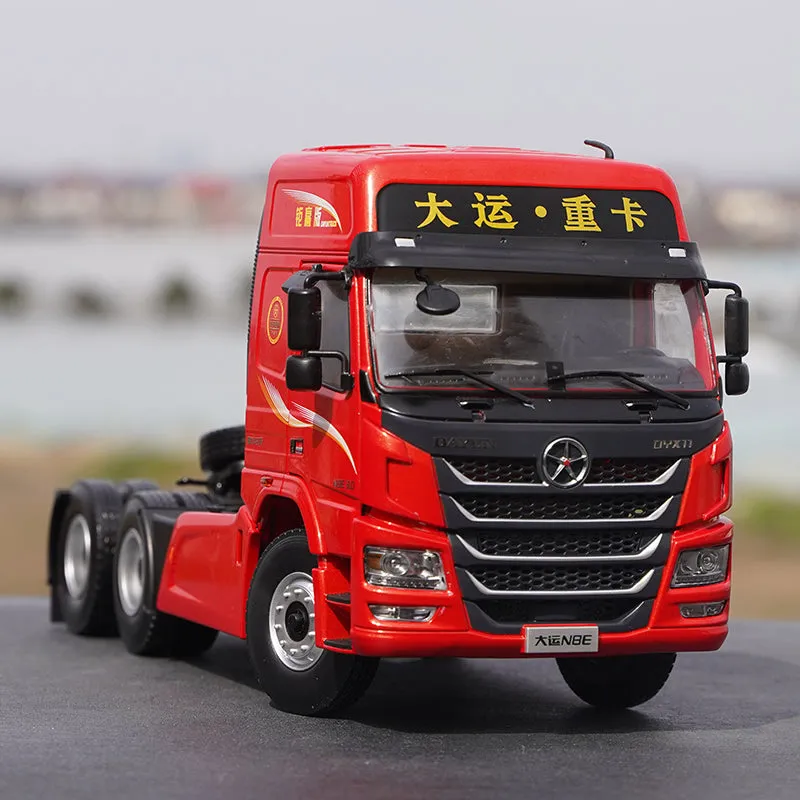
The world of diecast model factories offers a fascinating blend of engineering, artistry, and business acumen. For enthusiasts and aspiring entrepreneurs alike, understanding how to start and run a successful diecast model factory is an exciting endeavor. This comprehensive guide will walk you through the essential steps, from understanding the production process to navigating the complexities of marketing and sales, ensuring you have the knowledge to embark on this rewarding journey. Whether you’re a seasoned model collector or a budding business owner, this guide is your blueprint for entering the world of diecast model manufacturing.
What is a Diecast Model Factory
A diecast model factory is a specialized manufacturing facility dedicated to the production of miniature replicas of vehicles, aircraft, and other objects using the diecasting process. These factories typically involve a combination of highly skilled labor and advanced machinery, producing models with intricate detail and high precision. These factories are responsible for every stage of the process, from design and mold making to the final assembly, painting, and quality control. The primary goal is to create accurate and durable miniature versions of real-world items, appealing to collectors and enthusiasts worldwide.
The Diecast Model Production Process
The creation of a diecast model is a meticulous process involving several key stages, each crucial to the final product’s quality and accuracy. From the initial design phase to the final quality check, every step requires expertise and precision. Understanding this process is vital for anyone looking to establish a diecast model factory. It’s important to understand the workflows and requirements of each process to optimize efficiency and ensure superior model production.
Design and Prototyping

The journey of a diecast model begins with its design. This phase involves creating detailed blueprints and 3D models of the vehicle or object, which are then used to develop prototypes. Designers use specialized software to ensure accurate representation of the original item, taking into account scale, dimensions, and intricate details. Prototypes are created to validate the design and identify any potential issues before the production phase begins. This includes ensuring all parts fit correctly, and the overall aesthetic meets the required standards, leading to the creation of a high-quality product.
Mold Making
Once the design is finalized, the next step is mold making. This involves creating precise molds, usually from steel, that will be used to cast the model parts. This is a crucial and very specialized process, because the accuracy of the mold determines the final quality of the diecast model. The molds are designed with multiple cavities to accommodate the different parts of the model, and these molds can be complex, taking into account the different parts of the design. Skilled technicians use sophisticated machinery to cut and shape the steel to create the molds. The quality of the mold directly impacts the final product’s detail, precision, and overall look.
Die-Casting
Die-casting is the core process where molten metal, typically zinc or aluminum alloys, is injected into the molds under high pressure. This process allows for the creation of intricate details and complex shapes that would be impossible using other manufacturing methods. The molten metal cools and solidifies within the mold, taking the shape of the model parts. Once the metal has cooled, the molds are opened, and the parts are ejected. This process is highly automated, with machines designed to efficiently produce a large volume of parts, with little or no margin for error, to ensure a high-quality outcome.
Finishing and Detailing

After die-casting, the model parts undergo finishing and detailing. This involves removing any excess material, smoothing rough edges, and preparing the parts for painting and decoration. The models are then painted and decorated with intricate details, such as logos, markings, and interior features. Skilled painters and decorators use a combination of techniques, including airbrushing and hand-painting, to achieve a high level of realism. The finishing stage is essential for transforming the raw diecast parts into a finished model, bringing the model to life.
Assembly
The assembly phase involves putting all the individual parts together to create the final model. This includes attaching wheels, windows, and other accessories, and carefully aligning all the components to ensure a perfect fit. Specialized tools and techniques are used to assemble the models, often by hand. Skilled workers meticulously assemble each model, ensuring that all parts are securely attached and that the model functions as intended. The assembly process requires precision and attention to detail to create a flawless finished product.
Quality Control
Quality control is an essential part of the manufacturing process, involving thorough inspections at various stages to ensure the model meets quality standards. Trained inspectors check for defects, such as paint imperfections, misaligned parts, and structural issues. Rigorous quality control procedures are implemented to identify and rectify any problems. This may involve visual inspections, functional tests, and performance evaluations. This ensures that only high-quality models are released to the market, building trust with consumers and maintaining a strong brand reputation.
Setting Up Your Model Diecast Factory

Establishing a model diecast factory involves numerous considerations, from choosing the right location to acquiring the necessary equipment and raw materials. Careful planning and strategic decision-making are critical to the success of your venture. The following steps will guide you through the essentials of setting up your factory, ensuring you’re well-prepared to start your business.
Choosing Your Factory Location
Selecting the right location for your factory is essential for operational efficiency and cost-effectiveness. Consider factors such as proximity to suppliers, transportation infrastructure, and labor availability. You’ll also need to consider the local regulations and zoning laws, ensuring that your factory complies with all requirements. The ideal location should offer sufficient space for production, storage, and office areas, providing enough room for all the equipment and processes. A well-chosen location can significantly streamline operations and facilitate the smooth production of diecast models.
Equipment and Machinery Needed
Equipping your factory with the appropriate machinery is crucial for efficient production. This includes die-casting machines, mold-making equipment, finishing tools, painting booths, and assembly lines. The type and capacity of the machinery will depend on your production volume and the complexity of the models you intend to produce. It’s also important to invest in quality control equipment to ensure your models meet the required standards. Regular maintenance and upgrades are important to keep your equipment in top condition and ensure consistent production.
Sourcing Raw Materials

The quality of your raw materials directly affects the quality of your final product. You’ll need to establish reliable supply chains for metals like zinc and aluminum alloys, paints, decals, and other components. Sourcing materials from reputable suppliers ensures consistency and helps maintain the quality of your models. Compare prices, and negotiate contracts to get the best deals, but prioritize quality. Establishing strong relationships with your suppliers is essential for ensuring a stable supply chain and avoiding production delays. Regularly evaluate your suppliers to ensure you’re getting the best materials at competitive prices.
Marketing and Sales
Marketing and sales are crucial to the success of your model diecast factory. Developing a strong brand, creating a marketing strategy, and choosing the right sales channels are essential for reaching your target audience and driving sales. Understanding your market, establishing an online presence, and building relationships with retailers are all critical elements. By implementing an effective marketing and sales strategy, you can increase brand awareness, boost sales, and grow your business.
Creating a Brand
Establishing a strong brand identity is essential for distinguishing your factory from competitors. Develop a unique brand name, logo, and design that reflects your values and the quality of your models. Your brand should communicate your commitment to excellence and appeal to your target audience. Consider the overall look and feel of your brand, and ensure consistency across all marketing materials. A well-defined brand helps build trust with customers and fosters brand loyalty. It will help you stand out in a crowded market.
Online vs. Retail Sales

Deciding on the best sales channels is a critical step in reaching your target market. Consider selling your models online through your website, e-commerce platforms, or partnering with online retailers. Alternatively, you can choose to sell through retail stores, hobby shops, and model stores. Each channel has its advantages and disadvantages. Online sales offer broader reach and convenience, while retail sales provide opportunities for customers to see and touch the models. A combination of both strategies can optimize sales potential, allowing you to reach a wider audience. The best strategy often involves a combination of both online and retail channels, allowing you to reach a broader customer base.
Key Regulations and Compliance
Operating a diecast model factory involves adhering to various regulations and compliance requirements. This includes environmental regulations, safety standards, and labor laws. Ensure your factory complies with local and national regulations to avoid legal issues and maintain a responsible business. This includes adhering to regulations related to waste disposal, emissions, and worker safety. Compliance is not only a legal requirement but also demonstrates your commitment to ethical business practices and sustainability. Keeping up to date with the latest regulations and standards helps maintain your business’s integrity and reputation.
Starting a diecast model factory is a challenging but rewarding venture. By understanding the production process, setting up your factory strategically, and implementing effective marketing and sales strategies, you can increase your chances of success. Always stay informed about industry trends, adapt to market changes, and consistently strive for quality. With dedication and hard work, you can build a successful model diecast factory and contribute to the world of miniature collectibles.