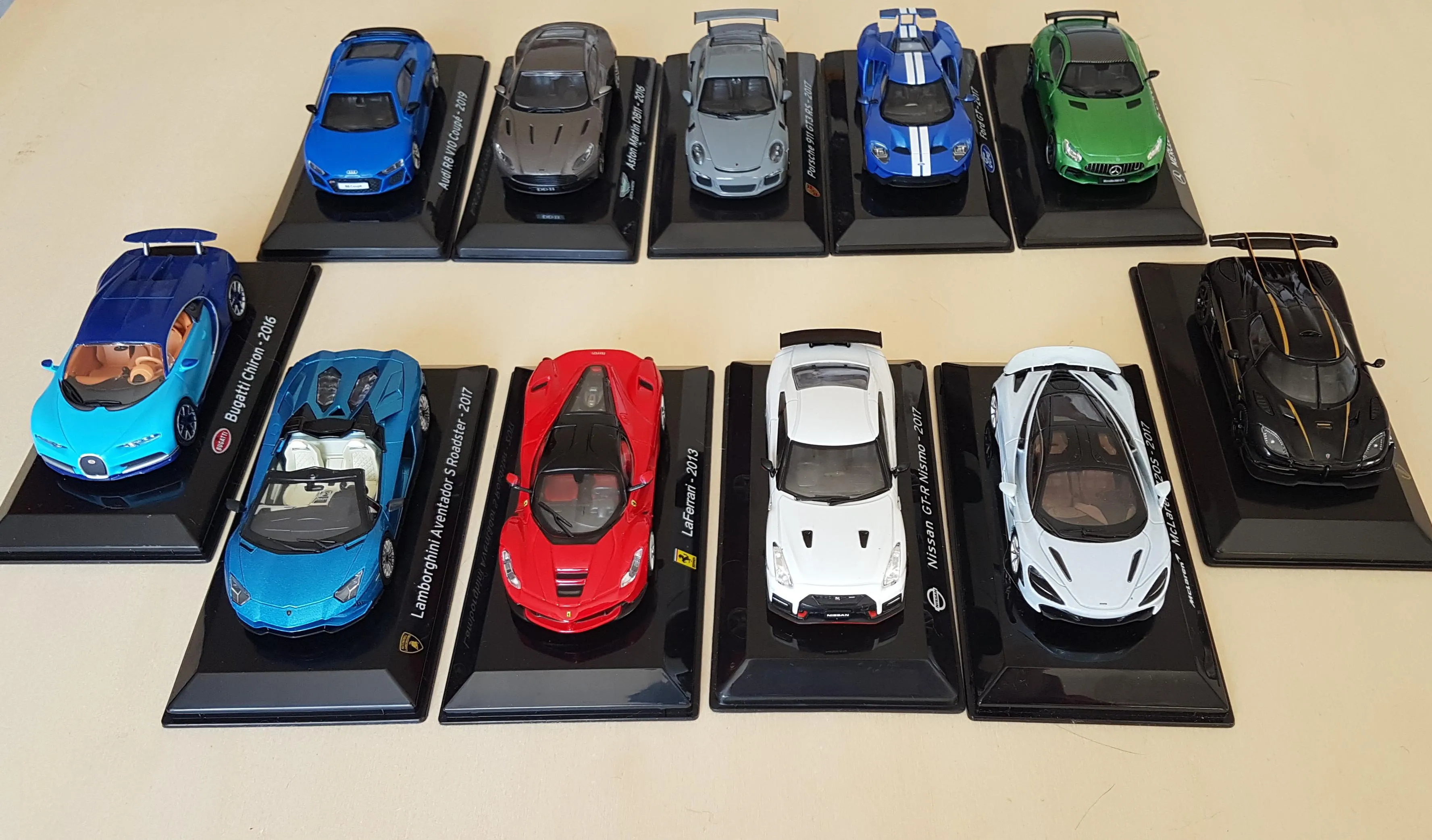
Diecast Collectibles Top 7 Features You Need
Diecast scale collectibles have captured the hearts of enthusiasts for generations, offering a tangible connection to automotive history, engineering marvels, and pop culture icons. Whether you’re a seasoned collector or just starting out, understanding the key features that define a high-quality diecast model is essential. This guide explores seven crucial aspects to consider when building your collection, ensuring you acquire pieces that offer lasting value and enjoyment. From the minute details that bring a model to life to the materials and craftsmanship that determine its longevity, we’ll cover everything you need to know to make informed decisions and curate a collection you’ll be proud of. The world of diecast collectibles is vast and varied, so knowing what to look for is key.
Authenticity & Detail
The hallmark of a great diecast collectible is its attention to detail. Look for models that accurately replicate the original vehicle, down to the smallest features. This includes the shape of the body, the placement of badges, the style of the wheels, and the design of the interior. Premium models often feature detailed engines, realistic dashboards, and functional elements like opening doors and hoods. The more authentic the model, the more desirable it is to collectors. Examine photographs of the real vehicle and compare them side-by-side with the model to assess accuracy. Pay close attention to the paint finish, which should be smooth, even, and free of imperfections. High-quality models will also have accurate decals and markings that match the original vehicle’s specifications.
Scale Accuracy

Scale is a fundamental aspect of diecast collecting. Common scales include 1:18, 1:24, and 1:43, among others. The scale refers to the ratio between the model’s size and the actual vehicle’s size. For example, a 1:18 scale model is 1/18th the size of the real car. Accuracy in scale is vital; a model that is not correctly proportioned will look out of place and detract from the overall collecting experience. Ensure the model’s dimensions are consistent with its stated scale. This is particularly important if you plan to display your models together. Inaccurate scaling can create visual inconsistencies that disrupt the overall presentation of your collection. Always check the manufacturer’s specifications and compare them with known dimensions of the actual vehicle to verify scale accuracy.
Material Quality
The materials used in a diecast model significantly impact its appearance, durability, and value. High-quality models are primarily made of diecast metal, which is an alloy of zinc, along with other metals. This gives them a realistic weight and feel. Other components include plastic for the interior, tires, and some external details, as well as rubber for the tires. Inspect the model for any signs of corrosion, particularly on metal parts. High-quality paints and finishes are also crucial, as they protect the model and enhance its appearance. Poorly manufactured models may use cheap plastics that degrade over time, affecting the model’s aesthetic appeal and structural integrity. Quality materials ensure that your diecast collectibles will last for many years, allowing you to fully appreciate their beauty and value.
Diecast vs Plastic
The core material, diecast metal, is often the key differentiator between premium and budget-friendly models. While some models incorporate plastic components for certain details, the use of diecast metal provides a more authentic feel, weight, and often, superior durability. Plastic models, while sometimes more affordable, may lack the same level of detail and can be prone to damage or degradation over time. Diecast models have a greater perceived value and are generally more sought after by serious collectors due to their superior quality and longevity. The weight and feel of a diecast model are usually more satisfying to handle and display.
Limited Editions & Rarity

Limited edition models, those produced in a specific quantity, often hold significant value for collectors. The fewer the models produced, the rarer they become, and the more their value tends to appreciate over time. Look for models that have a certificate of authenticity or a limited edition number. These models are typically more valuable. Consider the model’s historical significance, unique features, and overall desirability. Models based on rare or iconic vehicles are also highly sought after. Research the production numbers and historical context surrounding the model before making a purchase. Understanding how many models were made and when can greatly impact the value. If it’s a model that was only available at a specific event, its value could be higher due to rarity.
Collectible Value
The value of diecast collectibles can fluctuate based on several factors. These include the model’s rarity, condition, historical significance, and brand reputation. A mint-condition model, complete with its original packaging, will typically command a higher price than a model that has been damaged or is missing parts. Research the market value of a particular model before making a purchase. Online marketplaces, auction sites, and collector forums are excellent resources for determining current prices. Collectibles in high demand, such as those from well-known automotive brands and limited-edition releases, will often retain or increase their value. Consider the potential for future appreciation when building your collection, focusing on models that are likely to become more valuable over time. Regular maintenance and careful storage can help preserve the value of your diecast models.
Brand Reputation
The manufacturer’s reputation is another crucial factor to consider when buying diecast models. Established brands like Minichamps, Autoart, and CMC are known for their high-quality craftsmanship, attention to detail, and historical accuracy. Research the brand’s track record and read reviews from other collectors to assess its reputation. Some brands specialize in particular types of models or scales, so consider your collecting preferences when choosing a brand. A brand with a strong reputation will often produce models of higher quality, which are more likely to hold their value over time. Brands that prioritize quality, detail, and limited production runs often yield more desirable collectibles. Knowing the brands associated with your desired models will greatly enhance your collecting experience.
Packaging & Presentation

The packaging of a diecast model can significantly affect its value and appeal. Original packaging helps protect the model and serves as a visual enhancement when displaying the collectible. High-quality models often come in attractive boxes with detailed graphics and information. Check for any damage to the packaging, as this can diminish the model’s value. Original packaging adds to the model’s collectibility. Ensure the model is well-protected within the box to prevent damage during transit or storage. For many collectors, the packaging is just as important as the model itself. Keeping the model in its original packaging when not on display can help to preserve its condition and value over time. Clean and organized packaging is a plus.
Display Options
How you display your diecast collectibles is important to consider. There are multiple ways to showcase your collection. Display cases, shelves, and custom-built dioramas are all popular options. The display option you choose should protect the models from dust, sunlight, and physical damage, and show your collection in the best light. Consider the size and scale of your collection when planning your display. Grouping models by brand, type, or scale can create a visually appealing presentation. Ensure that the display area is well-lit, as this can enhance the detail and appearance of the models. Regular cleaning is essential to maintain the condition of your collectibles. Think about adding a themed background or setting to your display. This will make the models look more realistic.
Ultimately, building a collection of diecast scale collectibles is a journey of discovery and enjoyment. By focusing on these seven key features – authenticity and detail, scale accuracy, material quality, limited editions and rarity, collectible value, brand reputation, packaging and presentation, and display options – you can make informed decisions and curate a collection you’ll cherish for years to come. Happy collecting!