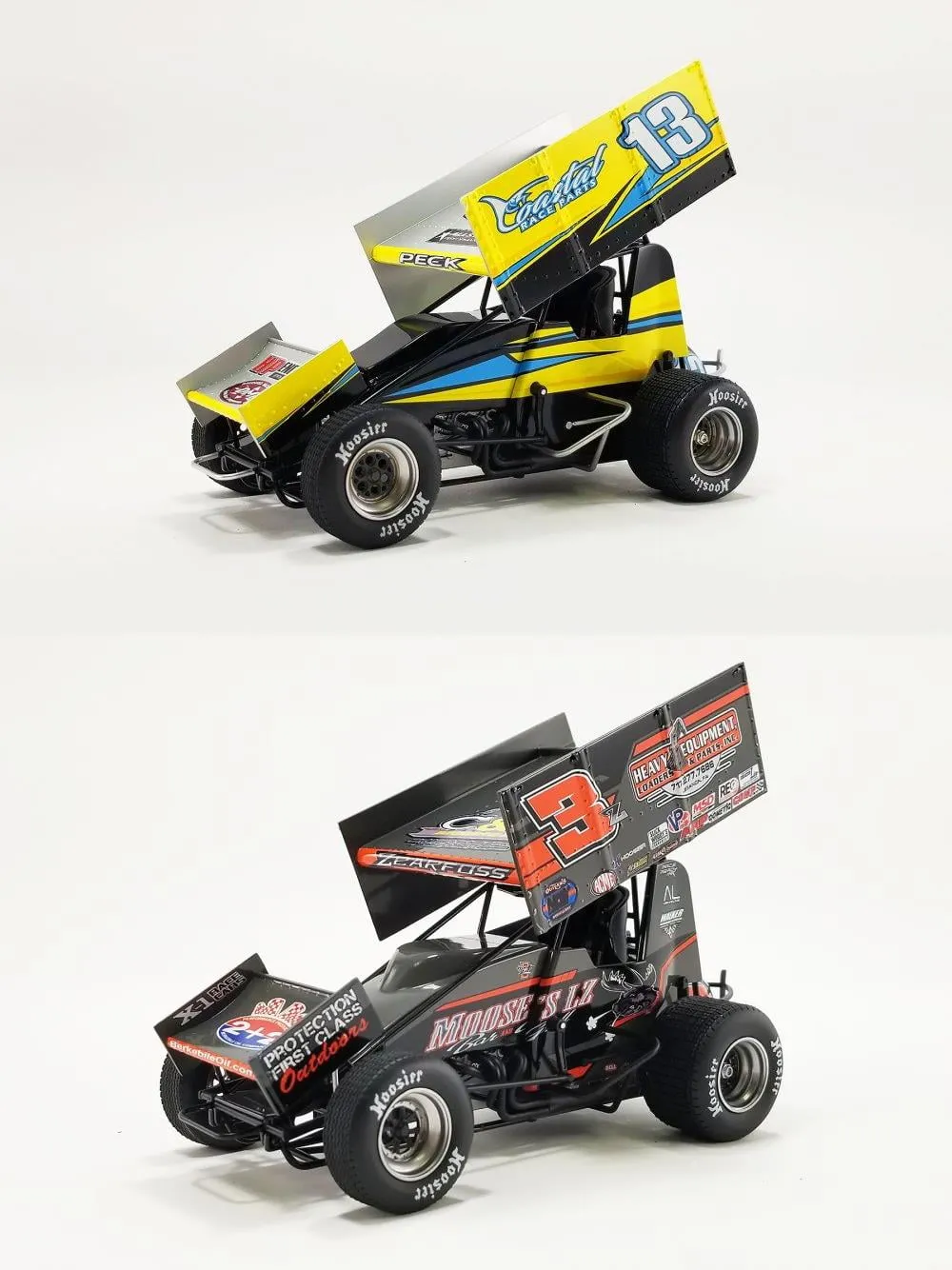
What are Diecast Cars
Diecast cars are miniature vehicles made using a die-casting process, where molten metal is injected into molds to create detailed replicas. These models are popular among collectors of all ages. Diecast cars have evolved significantly from simple toys to highly detailed and accurate representations of real-life automobiles. They are prized for their realism, durability, and the extensive range of vehicles they represent, from classic cars to modern supercars. The appeal of diecast cars lies in their ability to capture the essence of the full-sized vehicles in a compact, affordable form, making them a beloved hobby for many around the world.
History of Diecast Cars
The history of diecast cars is a fascinating journey through the evolution of toy manufacturing and collecting. The die-casting process, which involves injecting molten metal into molds, allowed for the creation of intricate designs at a mass scale. This technique paved the way for the production of highly detailed miniature cars. The development of diecast cars was closely tied to advancements in metalworking techniques, particularly in zinc alloy production, which became a staple material in diecast car manufacturing.
Early Diecast Models

The earliest diecast models emerged in the early 20th century, primarily as promotional items or simple toys. Early manufacturers like Dinky Toys and Corgi Toys were pioneers, producing simple yet robust models. These initial models, while not as detailed as modern versions, set the foundation for the industry. These early diecast cars were often created with basic features and were designed to be durable enough to withstand the rough play of children, establishing a legacy of quality that persists today.
Evolution of Materials
Over time, the materials used in diecast car production evolved significantly. Initially, zinc alloys were the primary material due to their ability to capture fine details. The introduction of plastics for components like interiors, tires, and windows allowed for greater design flexibility and cost efficiency. The development of rubber for tires improved realism and functionality. These advancements allowed for more complex and accurate designs and further enhanced the collector appeal of diecast cars. Modern diecast cars often blend various materials to maximize detail and functionality.
Top 7 Features of Diecast Cars
Diecast cars boast numerous features that appeal to collectors and enthusiasts alike. From their meticulous detailing to their robust construction, these miniature vehicles offer a unique blend of artistry and engineering. The best models often showcase a high degree of realism. Here are seven of the top features that make diecast cars so sought after and enjoyable.
Authenticity and Detail

One of the most compelling features of diecast cars is their remarkable authenticity and attention to detail. Manufacturers go to great lengths to replicate every aspect of the original vehicles, from the body shape and paint color to interior features like dashboards, seats, and steering wheels. Premium models often include accurate engine components, intricate badging, and realistic decals. This meticulous detailing transforms each model into a miniature work of art, making them highly prized by collectors who appreciate accuracy and realism.
Scale Accuracy
Scale accuracy is another critical feature that enhances the appeal of diecast cars. Common scales, such as 1:18, 1:24, and 1:43, allow for a consistent representation of real-world vehicles. Accurate scaling means that the proportions of the miniature model are perfectly aligned with the actual car, allowing collectors to build comprehensive collections that accurately reflect the vehicles they love. Accurate scaling enhances the collectible value and enables collectors to compare and appreciate the nuances of each model within a consistent framework.
Durability and Build Quality
Diecast cars are renowned for their durability and robust build quality. Constructed primarily from zinc alloy, these models are strong and can withstand significant handling. The use of high-quality materials and meticulous construction processes ensures that diecast cars can endure the test of time. This durability is a significant advantage, ensuring that models remain in excellent condition for years, making them both playable and collectible, capable of withstanding the rigors of display and handling, making them valuable heirlooms.
Collectibility and Value

The collectibility and value of diecast cars are major drivers of their popularity. Rare, limited-edition models, and those in pristine condition can fetch high prices in the collector’s market. The value of diecast cars is influenced by factors like rarity, brand, historical significance, and condition. Collectors are often driven by the thrill of the hunt, seeking out models that are difficult to find or represent milestones in automotive history. This inherent value makes diecast cars a tangible investment and a source of personal satisfaction for collectors.
Variety of Models
Diecast cars offer a vast variety of models, from classic cars to modern supercars and everything in between. Manufacturers produce models representing a wide range of automotive history, including race cars, trucks, and even motorcycles. This extensive variety ensures that collectors can focus on specific themes or build all-encompassing collections. The breadth of available models makes diecast cars appealing to a diverse audience, providing ample options for collectors to curate their ideal collection.
Realistic Paint and Finish
The realistic paint and finish are essential features that enhance the visual appeal of diecast cars. Manufacturers employ advanced painting techniques and high-quality paints to accurately replicate the colors and finishes of real-world vehicles. These can include metallic paints, matte finishes, and even weathering effects to add authenticity. The paint quality adds significantly to the overall realism of the models. The use of vibrant and accurate colors contributes to their desirability and visual impact, making them stand out on display.
Functioning Parts

Many diecast cars feature functioning parts, such as opening doors, hoods, and trunks, as well as steerable wheels and realistic suspension systems. These moving parts add an extra layer of realism. These functional elements enhance the interactive experience, allowing collectors to explore the details of the model fully. Functioning parts are a testament to the craftsmanship that goes into their construction, giving diecast cars a distinct advantage over static models. These features provide an interactive dimension that enhances the collectibility.
Materials Used in Diecast Cars
The quality of materials is vital to the durability and aesthetic appeal of diecast cars. The primary materials employed in diecast car manufacturing include zinc alloy for the body, plastic for various components, and rubber for tires. Each material contributes to the overall quality and the experience of collecting these miniature vehicles.
Zinc Alloy Diecast Bodies
Zinc alloy, a metal alloy primarily composed of zinc, is the core material for the bodies of most diecast cars. This material offers an excellent balance of strength, detail capability, and cost-effectiveness. The die-casting process, where molten zinc alloy is injected into molds, allows manufacturers to capture intricate details and shapes. The use of zinc alloy gives diecast cars their characteristic weight and sturdiness, adding to the overall quality and feel of the models.
Plastic Components

Plastic components play a crucial role in diecast car design. Plastics are used extensively for interior details, such as dashboards, seats, and steering wheels, as well as for parts like mirrors, lights, and windows. This allows for the inclusion of fine details and various design elements. Using plastic allows for cost-effective production of complex and detailed parts. The use of plastic enhances both the visual appeal and functionality of diecast cars.
Rubber Tires
Rubber tires are a critical component of diecast cars, enhancing both the realism and the functionality of the models. Rubber tires provide the visual appearance of a real vehicle and offer a functional advantage, allowing the car to roll smoothly. The use of rubber tires significantly contributes to the overall aesthetic appeal of the diecast cars. The quality of the rubber and the tire design can greatly influence the overall look and feel of the model.
Factors Influencing Diecast Car Prices
Several factors significantly impact the prices of diecast cars, making them a diverse market for collectors and enthusiasts. These factors encompass a range of aspects that influence the rarity, desirability, and overall value of these miniature models.
Rarity and Limited Editions

Rarity is one of the most significant factors influencing diecast car prices. Limited-edition models, which are produced in small quantities, are highly sought after. The limited supply of these models creates increased demand among collectors, often driving up their prices. Models that are no longer in production and are difficult to find are also considered rare and valuable. Limited-edition cars are prized possessions for collectors due to their exclusivity and investment potential.
Brand and Manufacturer
The brand and manufacturer of a diecast car play a crucial role in determining its value. Established and reputable brands, like Hot Wheels, Maisto, or Autoart, often command higher prices due to their reputation for quality, detail, and historical significance. The manufacturing origin can also influence the price. Brands with a strong collector following and a proven track record tend to be highly valued. These brands represent a guarantee of quality and are often seen as desirable investments.
Condition and Preservation
The condition and preservation of a diecast car are crucial factors influencing its value. Models in pristine condition, with original packaging and no signs of wear, are highly valued. Collectors often prioritize models that have been well-maintained and stored to preserve their value. The condition of the model significantly affects the overall appeal and desirability, and mint-condition models will inevitably command higher prices. Collectors place a premium on cars that have been carefully stored and maintained.
How to Care for and Display Your Diecast Cars
Proper care and display are essential for preserving the value and appearance of your diecast car collection. By taking the right steps, you can protect your models from damage and ensure they remain in excellent condition for years to come.
Proper Storage Techniques
Storing your diecast cars correctly is vital to protect them from damage. Keep your models away from direct sunlight, excessive heat, and humidity. The ideal storage environment is a cool, dry place with a stable temperature. Consider using display cases or airtight containers to protect your models from dust and other environmental factors. Proper storage ensures that your collection stays pristine and ready for display or future value.
Cleaning and Maintenance
Regular cleaning and maintenance will keep your diecast cars looking their best. Use a soft cloth or a small brush to gently remove dust and debris. Avoid using harsh chemicals or abrasive cleaners, as these can damage the paint and finish. Handle your models with clean hands to prevent the transfer of oils and dirt. Routine cleaning is a simple way to keep your collection in top condition and preserve its value over time.
Displaying Your Collection
Displaying your diecast car collection is an excellent way to showcase your passion. Use display cases, shelves, or shadow boxes to present your models. Arrange your collection thematically, by brand, or by scale to create an attractive display. Ensure your display area is well-lit and accessible but protected from direct sunlight. Thoughtful display not only enhances the visual appeal of your collection but also protects your models from damage, allowing you and others to enjoy them fully.
Conclusion
Diecast cars offer a fascinating world of miniature vehicles, blending artistry, engineering, and collectible value. These models provide a captivating hobby for enthusiasts of all ages. From the rich history and detailed features to the factors influencing their value and the care required to preserve them, diecast cars provide a unique blend of craftsmanship, history, and investment potential. Whether you are a seasoned collector or just starting, the world of diecast cars offers endless enjoyment and the opportunity to own a piece of automotive history in miniature form.