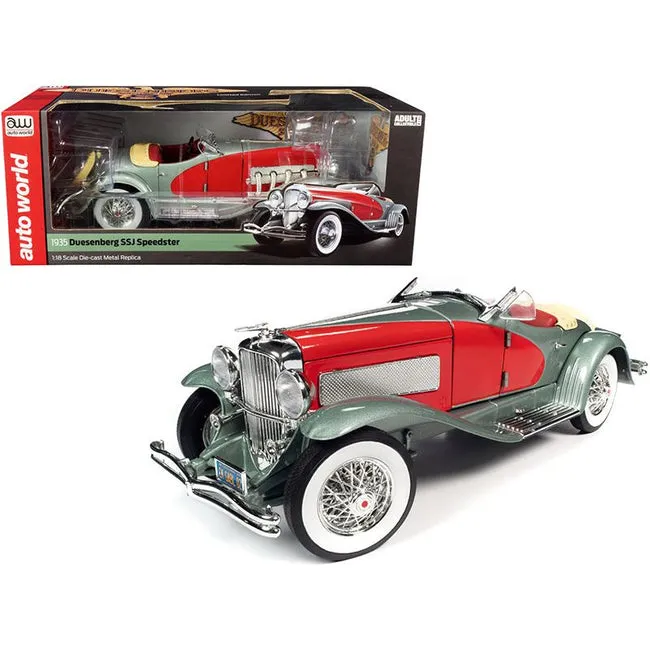
What are Diecast Cars
Diecast cars are miniature model vehicles produced using a die-casting method, a process where molten metal is injected into molds to create highly detailed replicas. These models are prized by collectors of all ages, offering a tangible link to automotive history and design. From classic cars to modern supercars, diecast cars capture the essence of their full-sized counterparts in a smaller, more accessible form. The level of detail in diecast cars can vary widely, from basic toys to highly accurate, meticulously crafted models aimed at serious collectors. These collectibles have become popular because of their affordability, the wide range of available models, and the nostalgia they evoke. Diecast cars provide a unique opportunity to appreciate automotive design and engineering without the space or expense of owning the real thing.
The History of Diecast Cars
Early Development

The roots of diecast cars can be traced back to the early 20th century, with the first models emerging around the 1900s. Initially, these models were simpler, often made of lead or tin, and primarily served as toys. The die-casting process, involving the injection of molten metal into reusable molds, revolutionized the production of these miniature vehicles. This method allowed for greater detail and more complex designs compared to earlier manufacturing techniques. Early manufacturers recognized the potential of diecast cars, leading to advancements in materials and production techniques. These early models paved the way for the highly detailed and collectible diecast cars we see today.
The Rise of Popularity
The post-World War II era witnessed a surge in the popularity of diecast cars. Technological advancements in die-casting, combined with the increased availability of materials like zinc alloy, allowed for more intricate and realistic models. Iconic brands like Dinky Toys and Corgi emerged during this period, establishing themselves as leaders in the industry. Diecast cars shifted from being simple toys to becoming collectibles, attracting enthusiasts of all ages. The introduction of licensed models, representing real-world cars, further fueled their popularity, turning them into a way for people to connect with their favorite vehicles. This rise was fueled by the growing automotive industry and the public’s fascination with cars.
Materials Used in Diecast Cars
The quality and characteristics of diecast cars are heavily influenced by the materials used in their construction. The choice of materials affects durability, detail, and overall aesthetic appeal. The most common material is zinc alloy, often mixed with other metals to improve its properties. Plastics are also essential components, utilized for interior detailing, windows, and other non-metal parts. The combination of these materials allows manufacturers to create highly detailed models that are both durable and aesthetically pleasing. The selection of materials reflects a balance between cost, durability, and the ability to capture the intricate details of the original vehicles.
Zinc Alloy and Other Metals

Zinc alloy, commonly known as Zamak, is the primary material for diecast car bodies due to its excellent casting properties and affordability. It allows manufacturers to create intricate designs with fine details. Other metals like aluminum and steel may be used in smaller quantities or in specific components. The precise composition of the metal alloy can vary depending on the manufacturer and the desired characteristics of the model. The use of metals provides weight and a realistic feel to the models, contributing to their appeal. These metals contribute to the durability of the model, ensuring it can withstand handling and display over time.
Plastic Components
Plastics are integral to the construction of diecast cars, providing versatility in design and functionality. They are used for interior details like dashboards, seats, and steering wheels, and also for clear parts such as windows and headlights. Plastics allow for the creation of complex shapes and can be easily molded and colored. The use of plastics helps to reduce the overall cost of manufacturing while enabling the creation of highly detailed and realistic models. The variety of plastics available enables manufacturers to achieve different finishes and textures, further enhancing the realism of the miniature cars. These elements add significant visual appeal.
Manufacturing Process
The manufacturing process for diecast cars is a sophisticated blend of precision engineering and meticulous craftsmanship. It begins with the design phase, where engineers create detailed blueprints for each model. This is followed by the creation of molds, which are essential for the die-casting process. Quality control is maintained throughout the manufacturing stages, including die-casting, assembly, detailing, painting, and packaging. Manufacturers use advanced machinery and specialized techniques to ensure accuracy and precision. The manufacturing process is a complex undertaking that combines technology with human expertise to produce high-quality models.
Die Casting

Die casting is a core element of the diecast car manufacturing process. Molten metal, typically zinc alloy, is injected into a mold under high pressure. This forces the metal to fill every detail of the mold, resulting in highly accurate and intricate parts. The mold is often made of steel and can withstand repeated use, allowing for mass production. Once the metal has cooled and solidified, the mold is opened, and the car parts are removed. This process is efficient and produces a high volume of identical parts. The precision of die casting is what allows manufacturers to create detailed features and reproduce complex designs.
Assembly and Detailing
After die-casting, the individual components undergo assembly and detailing. This phase involves assembling the various parts, such as the body, chassis, wheels, and interior components. Skilled workers attach the parts with precision, ensuring that each model meets the required quality standards. Detailing includes painting the body, applying decals, and adding fine details such as chrome trim, lights, and other exterior features. The quality of the assembly and detailing determines the final appearance and value of the diecast car. These steps often involve handcraftsmanship, adding to the unique characteristics of each model.
Types of Diecast Cars
Diecast cars come in a wide variety of types, catering to different tastes and interests. They range from simple toys to highly detailed scale models. The diversity in types allows enthusiasts to find models that match their preferences, whether it is classic vehicles, modern supercars, or special edition models. Different types of diecast cars are aimed at different demographics, from children who collect them as toys to adults who see them as collectibles. The type of car you collect is a personal choice and influences how you display and maintain your collection.
Scale Models

Scale models are designed to replicate real-world vehicles with a high degree of accuracy. Common scales include 1:18, 1:24, and 1:43, with the scale indicating the proportion of the model’s size relative to the actual car. These models often feature detailed interiors, working features, and accurate paint finishes. Scale models are highly sought after by collectors who value realism and precision. Manufacturers use blueprints and extensive research to ensure the models are as faithful as possible to their original counterparts. This accuracy makes scale models popular choices for display and collecting.
Model Cars
Model cars encompass a broader range of diecast vehicles, including toy cars designed for play, promotional models, and customized creations. Toy cars often feature simpler designs and greater durability to withstand handling by children. Promotional models are produced to promote a particular brand or product, whereas custom-built models provide collectors with unique options. These cars cover different aspects of the diecast world, from being simple toys to representing highly unique creations. They are more accessible and cater to different age groups, making them accessible for many collectors.
Collecting Diecast Cars
Collecting diecast cars is a popular hobby that combines the love of automobiles with the thrill of the hunt. Collectors can build their collections based on various themes, such as specific brands, models, or scales. Collecting provides a great outlet for enthusiasts to interact with each other and share their passions. The value of a diecast car collection can vary depending on rarity, condition, and demand. Collecting is an enjoyable pastime that allows enthusiasts to connect with like-minded people and showcase their interest in vehicles.
Tips for Collectors

Starting a diecast car collection involves several considerations. It’s helpful to decide on a collecting focus, such as specific models, brands, or scales. Researching the market, understanding the value of different models, and establishing a budget are essential steps. Maintaining the condition of your cars, storing them properly, and protecting them from damage will help preserve their value. Joining online communities and attending car shows allow collectors to network and learn from each other. Staying informed about market trends and new releases will help you make informed decisions when building your collection. Developing a collecting strategy is necessary to ensure the growth of the collection.
How to Store and Display Diecast Cars
Proper storage and display are critical to protecting and showcasing your diecast car collection. Display cases are an ideal way to protect your models from dust and damage, while also allowing you to admire them. Storing the cars in a cool, dry place away from direct sunlight will preserve their condition. Consider using protective packaging or individual boxes to safeguard each model from scratches. Organizing your collection by brand, scale, or model type enhances its visual appeal and makes it easy to find specific cars. Regularly dusting and inspecting your cars for any signs of wear and tear will keep your collection in top condition. Choosing a display that fits your space and showcases your favorite models enhances your enjoyment of the hobby.
Famous Diecast Car Brands
Several brands have become synonymous with quality and collectibility in the diecast car world. These brands have built reputations for their craftsmanship, attention to detail, and commitment to producing realistic models. They often release limited editions and special series that increase collector demand. Each brand has its strengths, from offering a diverse range of models to specializing in particular scales or eras. Collecting cars from these brands provides a sense of prestige and allows collectors to experience the best of the diecast car world. Here are two well-known brands to know.
Hot Wheels
Hot Wheels is a globally recognized brand known for its high-speed toy cars and iconic orange tracks. The brand has a long history of producing innovative and eye-catching designs. It’s a favorite brand for kids of all ages because of its affordable price and creative designs. The brand offers a wide range of cars, including licensed models, custom designs, and limited editions. Hot Wheels continues to evolve, introducing new models and concepts, and maintaining its prominent role in the diecast car market.
Matchbox
Matchbox is another significant name in the diecast car industry, with a long-standing legacy of producing realistic and affordable models. The brand is renowned for its accurate scale representations and commitment to detail. Matchbox models often feature realistic features, such as opening doors and detailed interiors, that captivate collectors. The brand has a loyal following and continues to release classic models. The Matchbox brand remains a respected choice for collectors and toy enthusiasts.
Conclusion
Diecast cars offer a captivating blend of history, craftsmanship, and collectibility. Whether you are a seasoned collector or a newcomer, these miniature vehicles offer endless opportunities for exploration and enjoyment. From the manufacturing process to the various types of models available, the world of diecast cars is filled with fascinating details. Understanding the different aspects of diecast cars allows enthusiasts to develop an appreciation for the hobby. As the market continues to evolve with new models and brands, the appeal of diecast cars is likely to endure, making them a timeless pursuit for collectors of all ages.