What are Diecast Cars?
Diecast model cars are miniature replicas of real vehicles, typically made using a die-casting process where molten metal is injected into molds. These miniature marvels have captivated collectors and enthusiasts for generations. The appeal of diecast cars lies in their intricate detail, realistic appearance, and the opportunity to own scaled-down versions of iconic automobiles. From classic vintage cars to modern supercars, diecast models offer a wide range of vehicles, making them a popular hobby for people of all ages and interests. Understanding the different aspects that contribute to their appeal is the first step to appreciating the world of diecast cars.
Popular Diecast Car Scales
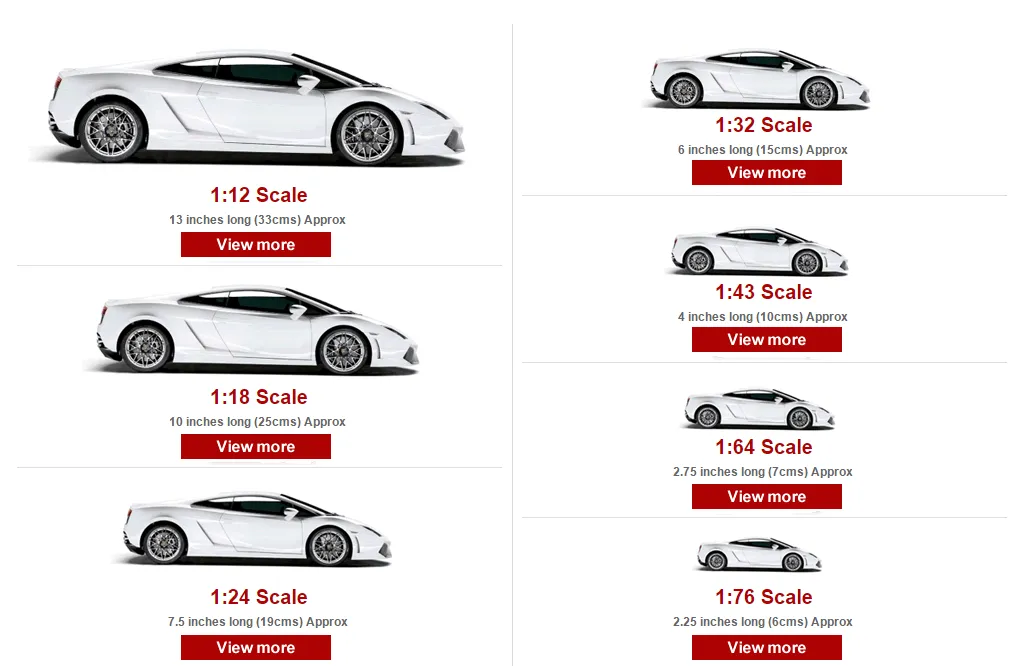
One of the most crucial aspects of diecast car collecting is understanding the scales, which determine the relative size of the model car to the actual vehicle. The scale of a diecast car is represented as a ratio, such as 1 18 or 1 24, indicating that the model is 1 18 or 1 24 the size of the original car. Different scales cater to different preferences, with some being more popular than others due to factors like detail level, display space requirements, and cost.
1 18 Scale Diecast Cars

The 1 18 scale is one of the most popular scales for diecast model cars. Models in this scale offer a great balance of detail and size. At this scale, the intricacies of the car’s design, including interior features, engine components, and exterior details, can be captured with remarkable accuracy. The larger size also allows for more elaborate features, such as opening doors, hoods, and trunks. This scale is ideal for collectors who want a high level of detail and are willing to dedicate some space for display, as each model is around 9-10 inches in length. Due to the larger size and level of detail, 1 18 scale models often come with a higher price tag.
1 24 Scale Diecast Cars
The 1 24 scale is another popular choice among collectors. Models in this scale are generally smaller than 1 18 scale models, making them a good option for those with limited display space. Despite the smaller size, 1 24 scale models still provide a considerable amount of detail, allowing for intricate designs and features. These models typically measure about 7-8 inches long, making them easier to accommodate in various display settings. The slightly smaller size often translates to a lower price point, making it an accessible option for many collectors, especially beginners.
1 43 Scale Diecast Cars
1 43 scale models are considerably smaller, offering a space-efficient option for collectors. These models are roughly 4-5 inches long and are excellent for those who have limited display space or wish to amass a large collection without requiring a lot of room. While the smaller size may mean less intricate detailing compared to the larger scales, many 1 43 scale models are still remarkably detailed and represent a wide range of vehicles. This scale is also often more affordable, making it a popular choice for new collectors or those who want to expand their collection quickly.
Factors Affecting Diecast Car Sizes
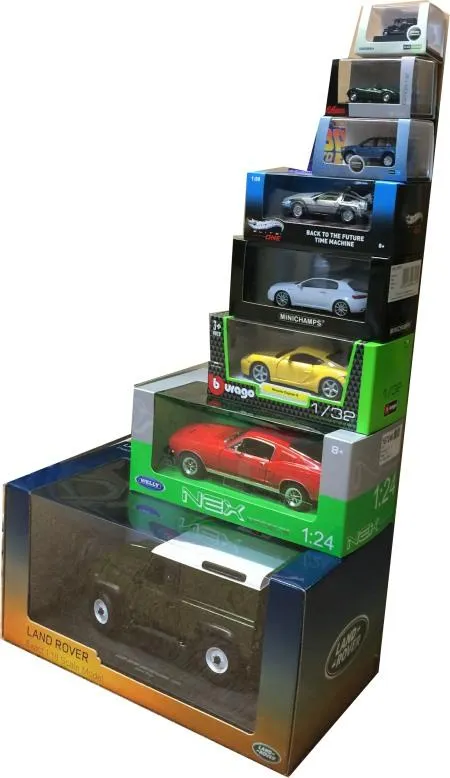
The size of a diecast model car isn’t solely determined by its scale. Several other factors play a role in how large or small a model car ultimately is. These factors can affect both the physical dimensions and the overall presentation of the model.
Material Used
The materials used in the construction of a diecast car can influence its size. Diecast cars are primarily made using a die-casting process, which involves injecting molten metal (typically zinc alloys) into a mold. However, some parts may be made from plastic or rubber. The choice of materials and the manufacturing techniques can have an impact on the final dimensions. For example, complex designs or features might require more material or a slightly different construction process, which can affect the overall size.
Car Model Complexity
The complexity of the car model also influences its size. Cars with intricate designs, multiple opening parts (doors, hoods, trunks), and detailed interiors might require more space and larger components to accommodate these features. Manufacturers often have to adjust the size and layout of the model to incorporate these details accurately. Cars with elaborate engines or complex body lines may be slightly larger to allow for the accurate reproduction of these features.
Differences Between Scales and Sizes

Understanding the difference between scale and actual size is critical. The scale provides a proportional relationship between the model and the real car. Actual size, on the other hand, is the physical dimensions of the model itself. While scale helps to determine the size, the final dimensions can also be affected by manufacturing details, material choices, and the specific car model. For instance, a 1 18 scale model of a large SUV will naturally be bigger than a 1 18 scale model of a compact sports car, despite both being the same scale.
How to Choose the Right Diecast Car Size for you
Choosing the right diecast car size depends on several factors. Balancing these aspects will help you to create a collection that you can enjoy fully. Here are a few key considerations:
Display Space and Collection
One of the most important considerations is the available display space. 1 18 scale models require more space, which may be a constraint for some collectors. Smaller scales, like 1 24 or 1 43, offer a better solution for those with limited display areas or who wish to build a larger collection without requiring a lot of room. Consider the available space and the desired size of the collection when deciding on the scale.
Budget Considerations

The cost of diecast cars often varies with their size and detail. 1 18 scale models are usually more expensive due to their larger size and intricate detailing. Smaller scales, such as 1 43, tend to be more affordable, making them a suitable choice for collectors on a budget or for those who are just starting. Determine your budget and choose the scale that offers the best balance of detail and cost.
Conclusion
Understanding the sizes of diecast model cars is essential for any collector. By considering the different scales, factors influencing size, and personal preferences, collectors can make informed decisions and build a collection that brings them joy. Whether you prefer the intricate detail of 1 18 scale models, the balance of 1 24 scale models, or the space-efficiency of 1 43 scale models, the world of diecast cars offers something for everyone. Explore the options, consider your display space and budget, and enjoy the journey of collecting these miniature masterpieces.