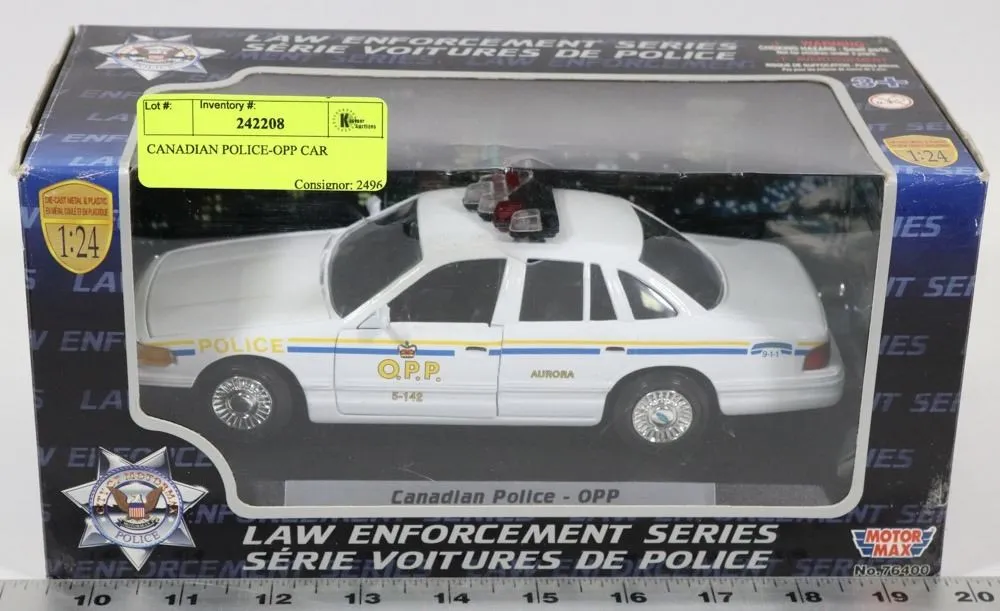
What are Diecast Cars?
Diecast cars are miniature vehicles made using a die-casting process, where molten metal is injected into molds to create intricate designs. These models have captivated collectors and enthusiasts of all ages for decades. They are celebrated for their detail, craftsmanship, and the ability to replicate real-life automobiles in a smaller scale. Diecast cars come in various scales, ranging from 1:18 to 1:64, and can represent a wide array of vehicles, including classic cars, sports cars, trucks, and even modern-day vehicles. Whether you’re a seasoned collector or just starting, understanding the basics of diecast cars is crucial to appreciating their allure and value.
Materials and Manufacturing
The die-casting process is fundamental to creating these miniature marvels. The process typically involves injecting molten zinc alloy, or occasionally aluminum, under high pressure into a mold. This mold is made up of two or more parts that are designed to precisely shape the car’s components. Once the metal cools and solidifies, the mold is opened, and the diecast car is extracted. The car then goes through various stages, including cleaning, painting, and detailing, to achieve its final appearance. The materials used are critical, as they influence the model’s durability, weight, and the level of detail achievable.
Scale and Types of Diecast Cars

One of the exciting aspects of diecast cars is the variety of scales and types available. The scale refers to the ratio between the model and the actual vehicle. For example, a 1:18 scale car is 1/18th the size of the real car. This means a real car that is 14 feet long would be approximately 9.3 inches long in 1:18 scale. Different scales cater to different preferences. Some collectors prefer larger scales for the detail they provide, while others favor smaller scales for space efficiency and the ability to collect more models. Understanding scales is essential for planning your collection and ensuring you have enough display space.
Common Scales
The most popular scales include 1:18, 1:24, 1:43, and 1:64. 1:18 scale models are known for their impressive detail and size, often featuring opening doors, hoods, and trunks. 1:24 scale offers a balance between detail and size, making them popular among collectors. 1:43 scale is widely popular due to its compact size and affordability, perfect for building a comprehensive collection. 1:64 scale, also known as ‘Matchbox size,’ is the smallest scale and ideal for those who want a large collection without sacrificing space. Each scale offers a unique collecting experience, and the best scale for you depends on your specific interests and available space.
Popular Diecast Car Types
Diecast cars come in an incredibly diverse range of types, from classic cars to modern supercars. There are also specialized categories such as race cars, trucks, military vehicles, and even construction equipment. Classic cars, such as vintage Mustangs, Camaros, and Corvettes, are popular due to their iconic designs. Sports cars, often mirroring high-performance vehicles, attract enthusiasts with their sleek aesthetics. Collectors can also find models of their favorite movie cars, such as the DeLorean from Back to the Future. This diversity ensures there is something for every collector.
Factors Influencing Value

Several factors influence the value of diecast cars. The condition of the model is the most significant factor. A model in mint condition, with its original packaging, will command a higher price than one that is damaged. The rarity of the model is also a critical factor. Limited editions, models produced in small quantities, and those that are no longer in production are highly sought after. The brand and manufacturer play a role as well. Highly respected brands such as Autoart, Minichamps, and Hot Wheels generally produce models with higher value. Details like paint quality, the presence of opening parts, and interior detailing can further influence the value. Knowing these factors will assist collectors.
Rarity and Limited Editions
Limited edition models often become valuable due to their scarcity. These models are often produced to commemorate special events, collaborations, or anniversaries. The lower the production run, the higher the potential value. Collectors often seek out these rare models to add to their collections. Limited editions can be identified by their specific packaging, serial numbers, or unique details. Keeping track of production numbers and the history behind these limited releases can significantly help in determining their worth.
Brand and Manufacturer
The brand and manufacturer greatly influence a diecast car’s value. Well-known brands that consistently produce high-quality models are generally more valuable. These manufacturers invest in quality control, ensuring their products meet specific standards. For example, brands like Autoart and Minichamps are known for their precision and realism. Furthermore, collaborations between famous car manufacturers and diecast companies can create highly sought-after models. Collectors often prioritize models made by reputable brands, as these are more likely to hold their value and offer better detail.
Condition and Preservation

Preserving the condition of your diecast cars is key to maintaining their value. Store your models in a clean, dry environment, away from direct sunlight and extreme temperatures, as these conditions can damage paint and plastic parts. Keeping the original packaging is also a good practice. The packaging protects the model and adds value. When handling the cars, use clean gloves to avoid fingerprints and oils that can damage the finish. Regular dusting and careful inspection for any damage are necessary. By taking proper care of your collection, you can ensure your cars remain in top condition and retain their value for years to come.
Collecting Diecast Cars
Collecting diecast cars is a rewarding hobby that combines passion, historical interest, and investment potential. The first step in building a collection is to decide what you want to collect. Some collectors focus on specific car models, while others specialize in certain scales or manufacturers. Once you have a focus, research and learn as much as you can. Understanding the value of different models and the factors that affect their price is essential. Building relationships with other collectors and joining online communities can provide valuable information and resources. This approach transforms the collection into an educational and engaging experience.
Finding and Purchasing
Diecast cars can be found in various places. Specialized diecast car shops are a great place to find a wide selection of models and knowledgeable staff who can assist you. Online marketplaces, such as eBay and dedicated diecast websites, offer vast selections and the potential for finding rare models. Car shows and swap meets are also excellent resources for finding diecast cars and meeting fellow collectors. Before purchasing, it is crucial to examine the model carefully, noting any damage or imperfections. Always compare prices and consider the seller’s reputation. Building a network of reliable sources is the most critical part of the process.
Displaying Your Collection

Displaying your collection is a crucial part of the hobby. There are various ways to showcase your diecast cars, from simple shelves to elaborate display cases. Consider the size and scale of your models. Choose displays that match your models to ensure they are effectively exhibited. Display cases protect your cars from dust and damage while enhancing their visual appeal. Lighting can also enhance the display. Good lighting can highlight the details and colors of the models. Organizing your collection by brand, model, or year is a great way to create an attractive and easy-to-view display. Make your collection the centrepiece of the room.
Storage and Maintenance
Proper storage and maintenance are essential for preserving the condition of your diecast cars. If you don’t have space to display all your models, store them in a cool, dry place away from direct sunlight. Use acid-free tissue paper to wrap the cars if you store them in boxes, to prevent scratches. Dust your models regularly with a soft brush or cloth to prevent the buildup of dust and debris. Avoid using harsh chemicals or abrasive cleaners that can damage the paint. Regularly inspect your collection for signs of damage. Taking these steps will ensure your models remain in excellent condition for years.
Building a Community
Collecting diecast cars is a community-driven hobby. Connecting with other collectors is a rewarding experience. Joining online forums, Facebook groups, and local car clubs is a great way to meet fellow enthusiasts, share knowledge, and trade models. Attending car shows and conventions provides opportunities to see rare models, meet manufacturers, and participate in auctions. Exchanging tips, discussing specific models, and sharing your collection will enrich your hobby and improve your knowledge. The community aspect of diecast collecting adds another layer of enjoyment.
Connecting with Other Collectors

Engaging with other collectors can enhance your enjoyment of the hobby. Participate in online forums, where you can ask questions, share your collection, and get opinions. Join Facebook groups focused on specific types of diecast cars or brands. Attending car shows and conventions is a great way to meet other enthusiasts in person. Building relationships with fellow collectors can provide access to rare models and expert advice. Participating in trades or sales can also help expand your collection and make new friends. Sharing your passion with others transforms the hobby into a dynamic social experience.
Resources and Clubs
There are numerous resources available to help you learn more about diecast cars and connect with other collectors. Online databases and websites offer detailed information on various models, manufacturers, and scales. Collector clubs and associations provide exclusive benefits, such as newsletters, magazines, and access to events. Diecast car shows and conventions are great places to discover rare models and meet other collectors. Reading magazines and online reviews will provide the knowledge you need. Leveraging these resources is critical for a successful and enjoyable collecting experience.
In conclusion, collecting diecast cars is more than a hobby; it’s a journey into a world of miniature artistry, history, and community. By understanding the fundamentals, from the die-casting process to the factors influencing value, you’ll be well-equipped to build a satisfying and valuable collection. Remember to prioritize the condition of your models, connect with other collectors, and always keep learning. Happy collecting!