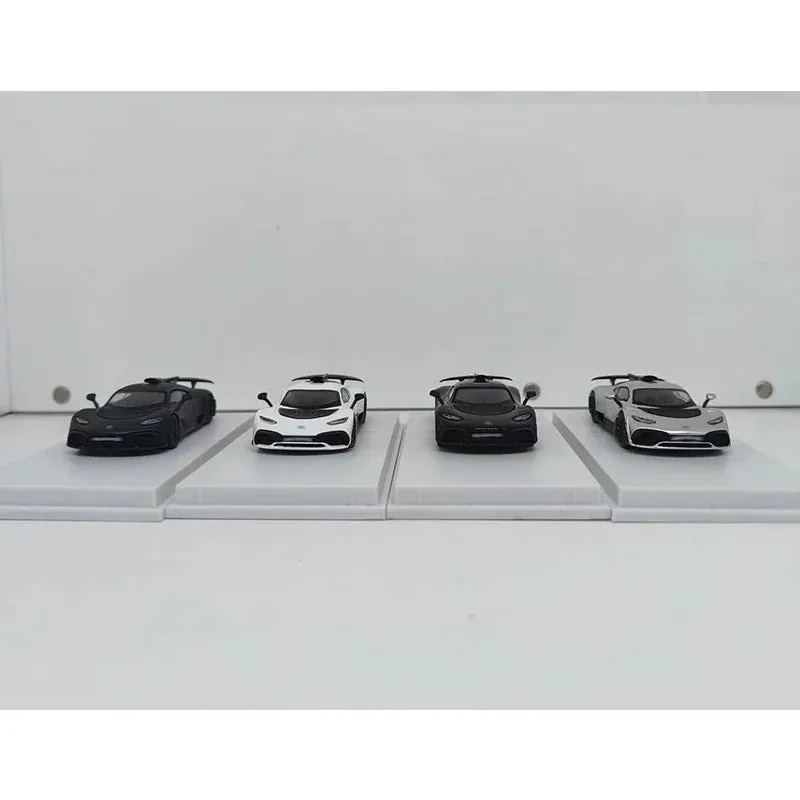
What Are Diecast Cars
Diecast cars are miniature replicas of real-life vehicles, crafted using a die-casting process where molten metal is poured into molds to create incredibly detailed models. These aren’t just toys; they’re collectibles, representing a wide array of vehicles, from classic cars to modern supercars, emergency vehicles, and even construction equipment. Diecast cars appeal to a broad audience, including serious collectors, hobbyists, and anyone with an appreciation for automotive design and history. The quality and detail can vary greatly, influencing both the aesthetic appeal and the value of the models.
The History of Diecast Cars
The history of diecast cars is a fascinating journey, dating back to the early 20th century. The first diecast models were simple toys, but over time, the technology and artistry behind them advanced significantly. Early manufacturers like Dinky Toys and Corgi played a pivotal role, producing models that captivated children and adults alike. The post-World War II era saw a surge in popularity, with increased detail and accuracy in the models. Today, diecast cars continue to evolve, incorporating advanced materials and techniques to create highly realistic and sought-after collectibles. This evolution reflects not only advancements in manufacturing but also a growing appreciation for the history and design of automobiles.
Key Materials and Construction

The die-casting process typically uses zinc alloys, which allow for intricate detail and durability. Once the molten metal is injected into the molds, it cools and solidifies, creating the car’s body. Other materials, such as plastic for interior details and tires, are often incorporated. The assembly process involves meticulous attention to detail, with each component carefully attached. The quality of the materials and craftsmanship directly impacts the model’s value. High-end diecast cars often feature enhanced paint finishes, realistic interiors, and opening doors and hoods to further enhance their appeal. This meticulous process results in miniature replicas that are both beautiful and durable.
Types of Diecast Cars
Diecast cars come in an incredible variety, appealing to different interests and preferences. From vintage classics to modern sports cars, the range is vast. Different scales also cater to diverse collecting habits. Some collectors focus on specific makes or models, while others might specialize in certain eras or types of vehicles. The diverse nature of diecast cars ensures that there’s something for every collector, whether they’re drawn to the nostalgia of vintage cars or the sleek designs of contemporary supercars.
Scale Models
Scales are a crucial aspect of diecast collecting, with the most common being 1:18, 1:24, and 1:43. Each scale offers a different balance of detail and display space. 1:18 models are often the most detailed, allowing for intricate features and realistic interiors, but they require more space to display. 1:24 models offer a good compromise between detail and size, while 1:43 models are more compact, making them ideal for larger collections. Choosing a scale often depends on personal preference, available space, and budget. Some collectors focus on a single scale, while others diversify across multiple scales to represent their varied interests.
Types by Vehicle

Diecast cars encompass various vehicle types, including classic cars, sports cars, trucks, and even emergency vehicles. Classic car collectors often seek out models of vintage vehicles, appreciating their historical significance and unique designs. Sports car enthusiasts are drawn to replicas of high-performance vehicles, capturing the thrill of speed and luxury. Trucks and commercial vehicles are also popular, especially among collectors interested in industrial history. The variety ensures there is a diecast model for every passion and interest, reflecting the broad appeal of these collectible miniature vehicles.
What to Consider Before Buying
Before diving into the world of diecast car collecting, it’s important to consider factors like your budget, the brands and models you’re interested in, and the level of detail you desire. Setting a budget helps manage your spending and prevent overextending your resources. Researching different brands and models allows you to learn about the various quality levels and collectibility. Also, understanding the level of detail, from basic models to those with opening parts and detailed interiors, ensures you choose models that meet your expectations and preferences. This preparation will help you make informed decisions and create a satisfying collection.
Determine Your Budget
Establishing a budget is crucial before starting your diecast car collection. Prices can vary widely, from affordable mass-produced models to high-end, limited-edition pieces. Determine how much you’re willing to spend on each model and the overall budget for your collection. Consider ongoing costs, such as storage, display cases, and potential insurance. Setting a budget helps you avoid impulsive purchases and ensures you stay within your financial means. This careful planning will contribute to a more enjoyable and sustainable collecting experience.
Research Brands and Models

Familiarize yourself with different brands and the models they offer. Brands like Hot Wheels, Maisto, and Autoart have distinct reputations and specialize in various scales and types of cars. Researching helps you understand the quality, detail, and value associated with each brand. Reading reviews, comparing models, and visiting online forums can provide valuable insights into what to expect. This knowledge will help you make informed decisions and build a collection that reflects your preferences and appreciation for quality craftsmanship.
Check the Details
Pay close attention to the details of the diecast cars you are considering. Inspecting the paint quality, the accuracy of the model’s features, and the fit and finish of the parts is essential. Look for features like opening doors, hoods, and detailed interiors. A well-crafted model will exhibit fine details and an overall sense of quality. Comparing different models side by side allows you to evaluate the level of detail and craftsmanship. These details significantly impact the overall appeal and value of the diecast car, making careful inspection a key part of the buying process.
Where to Buy Diecast Cars
Diecast cars are available through various channels, including online retailers, specialty shops, and auctions. Each source offers different advantages in terms of selection, pricing, and the overall buying experience. Exploring these different avenues allows you to find the best deals and discover rare or unique models. Knowing the different options available and understanding the pros and cons of each can enhance your chances of building a successful and satisfying collection.
Online Retailers
Online retailers, such as Amazon and dedicated diecast car websites, offer a vast selection and the convenience of shopping from home. These platforms often provide competitive pricing and customer reviews. However, it’s essential to be cautious and ensure the seller’s reputation. Read reviews and check for seller ratings to avoid scams. Online retailers also offer the opportunity to compare prices and models easily. Always factor in shipping costs and return policies. This option is a convenient way to browse and purchase diecast cars, but thorough research is key to a successful transaction.
Specialty Shops
Specialty shops offer a more curated selection and personalized service. These stores are often staffed by knowledgeable collectors who can provide valuable advice and insights. Specialty shops offer the chance to examine the models in person, ensuring quality and accuracy. Building a relationship with the shop owner can open up opportunities to find rare or hard-to-find models. This option offers a more intimate and informed collecting experience, providing a deeper connection to the hobby. These shops can be valuable resources for both new and experienced collectors.
Auctions and Collectibles Fairs
Auctions and collectibles fairs provide opportunities to find rare and vintage diecast cars, often at competitive prices. These events allow you to connect with other collectors and enthusiasts. Auctions can be a great way to acquire unique models, but it is essential to do your research and set a maximum bid. Collectibles fairs offer a diverse range of options, allowing you to browse and compare models from various sellers. Both venues offer the potential for exciting finds and the thrill of the hunt. However, it is crucial to be aware of the potential for counterfeit models and always authenticate your purchases.
Care and Maintenance of Diecast Cars

Proper care and maintenance are essential for preserving the value and appearance of your diecast car collection. Regular cleaning, careful storage, and avoiding direct sunlight and extreme temperatures can help protect your models. Taking these steps ensures that your collection remains in excellent condition for years to come. It also enhances the enjoyment of your collection and preserves its investment value. These practices show respect for the craftsmanship and the history represented by these miniature vehicles.
Cleaning and Dusting
Regular cleaning is important to prevent dust and dirt from accumulating on your diecast cars. Use a soft, microfiber cloth to gently wipe the surfaces. Avoid abrasive cleaners or harsh chemicals, which can damage the paint. For stubborn dirt, use a mild soap and water solution, but be cautious to avoid moisture damage. Cleaning not only maintains the appearance of your models but also helps protect the delicate details. A clean collection is a sign of a dedicated collector and adds to the overall value and enjoyment of the hobby. Proper cleaning can significantly extend the lifespan of your collection.
Storing Your Collection
Proper storage is crucial for protecting your diecast car collection. Store your models in a cool, dry place away from direct sunlight. Consider using display cases or cabinets to protect them from dust and accidental damage. Avoid storing them in areas with extreme temperature fluctuations, such as attics or basements. If possible, use archival-quality storage boxes or cases designed specifically for collectibles. Proper storage not only preserves the condition of your models but also enhances their visual appeal. Carefully stored collections are a testament to a collector’s dedication and attention to detail. This will help maintain the value and beauty of the collection for years to come.
Common Mistakes to Avoid

Avoiding common mistakes will help ensure a successful and rewarding diecast car collecting experience. Overspending on the wrong models, neglecting maintenance, and improper storage are all pitfalls to avoid. Always research the models and brands before purchasing, and prioritize quality over quantity. Regular maintenance and proper storage are essential for preserving your collection. By avoiding these mistakes, you can enjoy your diecast cars for years to come. Learning from the experiences of other collectors can also help you avoid costly errors and make informed decisions.
In conclusion, diecast car collecting is a rewarding hobby that combines a passion for automobiles with the joy of collecting. By understanding the history, types, and buying process, you can build a collection that reflects your interests and appreciates in value. Proper care and storage are essential for preserving your investment and ensuring your models remain in pristine condition. Whether you are a seasoned collector or a beginner, the world of diecast cars offers endless opportunities for discovery and enjoyment. Happy collecting!