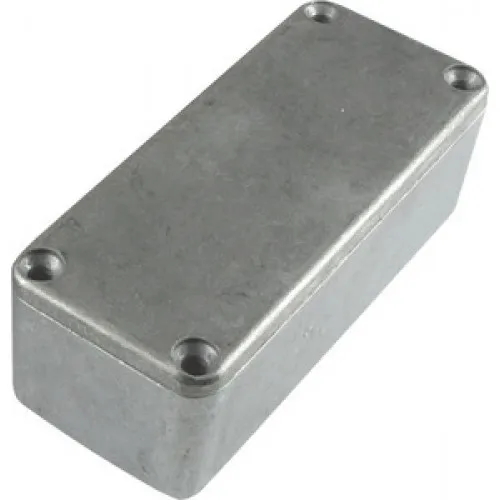
Understanding Diecast Boxes
Diecast boxes are essential protective enclosures used in various industries to safeguard sensitive electronic components and equipment. These boxes are engineered to withstand harsh environments and provide a reliable shield against physical damage, electromagnetic interference (EMI), and environmental factors such as moisture and dust. Their robust construction and versatility make them a preferred choice for professionals and hobbyists alike. Choosing the right diecast box is critical for ensuring the longevity and optimal performance of the enclosed electronics. These enclosures often play a crucial role in the overall reliability and functionality of the contained devices, ranging from industrial control systems to consumer electronics.
What are Diecast Boxes
Diecast boxes are typically manufactured using a die-casting process, where molten metal, often aluminum or zinc, is injected under high pressure into a mold. This process allows for intricate designs and precise dimensions, making it possible to create enclosures with complex features and customized specifications. The resulting boxes are known for their strength, durability, and ability to maintain structural integrity under stress. The die-casting method also enables cost-effective mass production, making these enclosures accessible for a wide range of applications and budgets. Their standardized designs often facilitate ease of use and integration with other components.
Materials Used in Diecast Boxes

The most common materials used in the construction of diecast boxes are aluminum and zinc alloys. Aluminum offers an excellent strength-to-weight ratio, making it ideal for applications where both durability and weight are considerations. It is also corrosion-resistant, which is crucial for outdoor and harsh environments. Zinc alloys are another popular choice, known for their excellent casting characteristics and ability to produce detailed and intricate designs. They also offer good corrosion resistance and are often a more cost-effective option. Other materials, such as stainless steel, may be used for specific applications that require extreme durability or resistance to high temperatures or chemical exposure.
Advantages of Diecast Boxes
Diecast boxes offer several key advantages over other enclosure types. Firstly, their robust construction provides superior protection against physical impacts, vibration, and other mechanical stresses. Secondly, diecast boxes provide excellent EMI shielding, which is critical for preventing interference with sensitive electronic components. Furthermore, these enclosures are often designed to be water-resistant and dustproof, making them suitable for use in harsh environments. The versatility of diecast boxes allows them to be used in a wide range of applications, from consumer electronics to industrial equipment. Finally, their standardized designs often facilitate ease of use and integration with other components.
Top 5 Buying Tips for Protection
Selecting the right diecast box can significantly impact the performance and lifespan of your electronic devices. Careful consideration of several factors is essential to ensure the enclosure meets your specific needs and provides adequate protection. The following tips will help you make informed decisions when choosing diecast boxes to protect your valuable equipment.
Tip 1 Assessing Your Needs

Before purchasing a diecast box, carefully assess your specific needs. Determine the size and dimensions required to accommodate your components, considering any future expansions. Evaluate the environment where the enclosure will be used, including temperature ranges, exposure to moisture, and potential for physical impacts. Identify any specific requirements, such as EMI shielding or resistance to chemicals. Understanding your requirements will guide your choice and ensure the enclosure provides the necessary protection for your electronics. Make a detailed list of the components that need to be housed, their dimensions, and any special needs they might have, such as heat dissipation or specific connector requirements.
Tip 2 Checking Material and Build Quality
The material and build quality of a diecast box directly impact its durability and ability to protect your electronics. Aluminum alloys are popular due to their excellent strength-to-weight ratio and corrosion resistance. Inspect the finish for any imperfections or signs of poor manufacturing. Check for robust construction, including secure seams, well-aligned components, and durable hardware. Ensure the box is designed to withstand the rigors of the intended environment. Poor build quality can compromise the box’s protective capabilities. Research the manufacturer’s reputation and read reviews to ensure that you are purchasing a reliable product.
Tip 3 Considering Environmental Factors
The environment in which the diecast box will be used plays a significant role in the selection process. Consider factors such as temperature, humidity, and exposure to dust, water, or chemicals. For outdoor applications or environments with high humidity, choose enclosures with appropriate ingress protection (IP) ratings. Look for enclosures made from corrosion-resistant materials like aluminum or those with protective coatings. Ensure the box is designed to withstand the specific environmental conditions it will encounter. Neglecting environmental factors can lead to premature failure of the enclosure and damage to the internal electronics. This includes considering the potential for extreme temperatures or direct sunlight exposure.
Tip 4 Evaluating Size and Dimensions

Accurate size and dimensional planning are crucial for ensuring that your components fit correctly within the diecast box. Carefully measure all the components that need to be housed, including their dimensions and any necessary clearances for connectors, wiring, and cooling. Choose a box with sufficient internal space to accommodate all components comfortably, allowing for airflow and preventing overcrowding. Consider external dimensions as well, especially if the enclosure needs to fit into a specific space or mounting location. Remember to account for any additional space needed for future component additions or modifications. It is always better to have a slightly larger box than one that is too small.
Tip 5 Understanding IP Ratings
Ingress Protection (IP) ratings are a crucial factor for determining the level of protection a diecast box offers against solid objects and liquids. The IP rating consists of two numbers. The first number indicates protection against solid objects (dust, dirt), and the second number indicates protection against liquids (water). Familiarize yourself with the IP rating system and choose a box with an appropriate rating for your environment. For example, an IP65-rated box offers protection against dust and water jets, while an IP67-rated box offers protection against temporary immersion in water. Consider the specific environment to ensure the chosen rating meets your needs. A higher IP rating generally indicates greater protection but may also increase the cost of the enclosure.
Comparing Diecast Boxes and Aluminum Enclosures
Diecast boxes and aluminum enclosures share common ground, but they also have differences that make them suitable for various applications. Understanding these differences will help you select the best option for your specific requirements. Aluminum enclosures are often chosen for their lighter weight and ease of customization, while diecast boxes provide superior strength and durability, especially in harsh environments. Both options are good for EMI shielding.
Key Differences in Material and Performance

The primary difference lies in the manufacturing process and material properties. Diecast boxes are manufactured via the die-casting process, which allows for greater design flexibility and intricate features. Aluminum enclosures, on the other hand, may be fabricated using different methods, such as extrusion or sheet metal forming. Diecast boxes usually offer higher strength and are more suited for extreme environments. The choice between diecast boxes and aluminum enclosures depends on your specific requirements regarding structural integrity, environmental protection, and the level of customization required.
Benefits of Aluminum Enclosures
Aluminum enclosures offer several benefits. Their lighter weight can be advantageous for applications where portability is a concern. They are often easier to customize, allowing for quicker modifications and adjustments. Aluminum enclosures are generally cost-effective, making them an economical choice for many projects. The material’s natural corrosion resistance and excellent thermal conductivity are further advantages, extending the lifespan of enclosed devices. They are suitable for a broad spectrum of applications.
Applications of Diecast Boxes and Aluminum Enclosures
Diecast boxes and aluminum enclosures find application in a wide range of industries, offering robust protection and secure housing for electronic components. These applications span across numerous sectors, from simple consumer electronics to highly specialized industrial systems. The versatility of these enclosures makes them ideal for both indoor and outdoor uses.
Electronics and Electrical Applications

Diecast boxes and aluminum enclosures are widely used in the electronics and electrical industries. They protect sensitive components in various applications, including control systems, power supplies, and sensor equipment. These enclosures provide EMI shielding, safeguarding devices from electromagnetic interference. They offer robust protection against physical damage and harsh environments. This makes them ideal for circuit boards, industrial controllers, and any devices requiring protection from environmental factors. Their durability and protective qualities ensure long-term operational reliability.
Industrial and Outdoor Use Cases
In industrial settings, diecast boxes and aluminum enclosures protect equipment from harsh conditions, including dust, moisture, and extreme temperatures. They are often used in outdoor applications, such as traffic control systems, communication equipment, and security cameras. Their corrosion resistance and rugged construction make them ideal for these demanding environments. The ability to withstand physical impacts and environmental stresses ensures the reliable operation of critical systems. Choosing the right enclosure is essential for protecting valuable equipment in industrial and outdoor settings, maximizing its lifespan and performance.