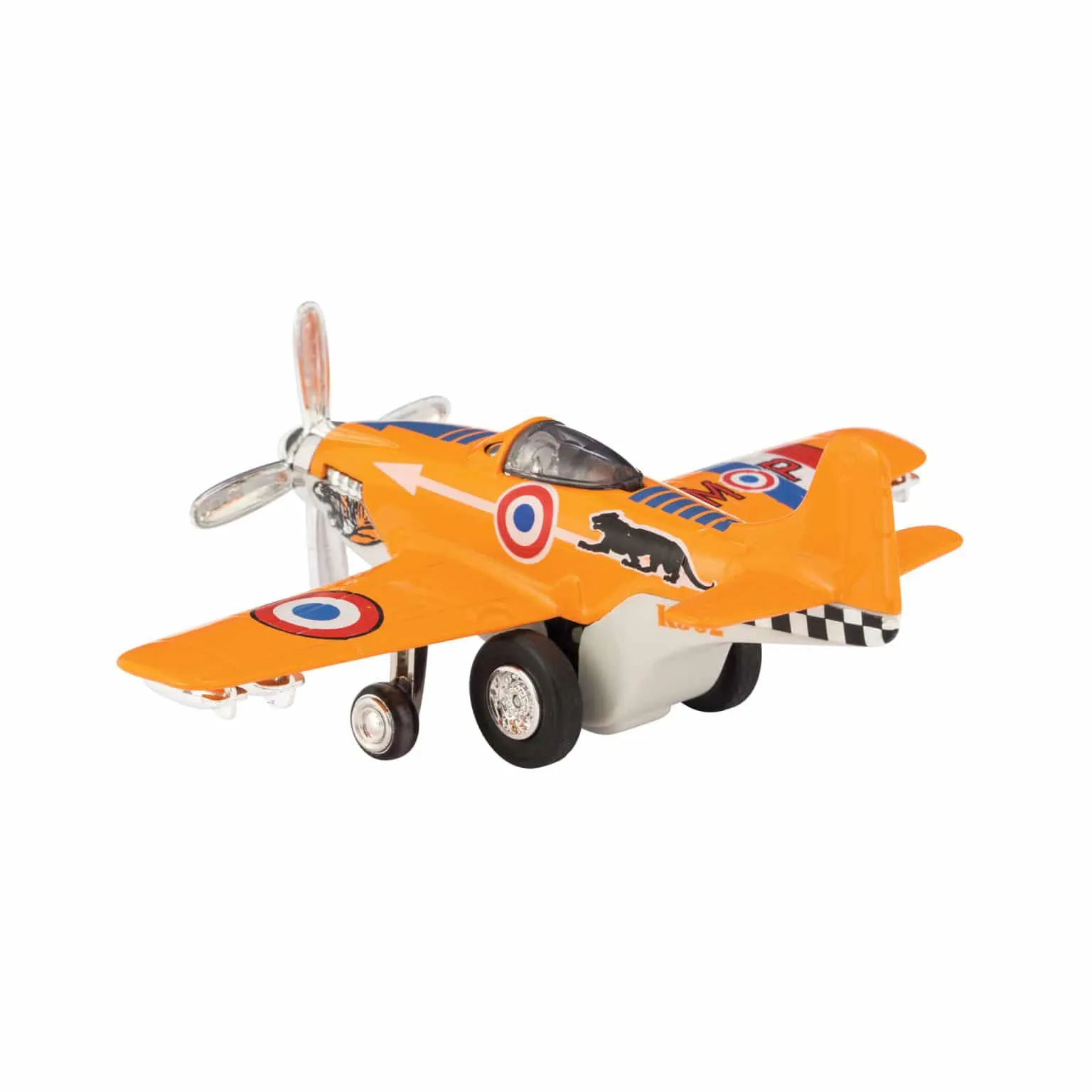
Choose the Right Diecast Airplane Paint
Selecting the perfect paint is the foundation of any successful diecast airplane painting project. The market offers a vast array of options, each with unique properties that can significantly impact your final results. The best paint for your project depends on several factors, including the level of detail desired, the environment in which the model will be displayed, and your personal preferences. Understanding the different types of paints, such as acrylics, enamels, and lacquers, is crucial. Each offers distinct advantages and disadvantages in terms of durability, drying time, and ease of use. A high-quality paint designed specifically for scale modeling will provide the best results, offering fine pigments and excellent coverage, which are essential for achieving a realistic finish on your diecast airplane.
Understanding Paint Types for Diecast Airplanes
The world of diecast airplane painting encompasses a variety of paint types, each with its own set of characteristics. Acrylic paints are water-based, low-odor, and dry relatively quickly, making them a popular choice for beginners. They are easy to clean up with water and can be thinned using acrylic thinners, ensuring smooth application and fine details. Enamel paints, on the other hand, are oil-based and known for their durability and glossy finish. They take longer to dry and require specialized thinners for cleanup. Lacquer paints offer superior durability, a very smooth finish, and quick drying times. However, they are solvent-based and require proper ventilation during application due to their strong fumes. The choice between these paint types will depend on your experience level, the desired finish, and the specific requirements of your diecast airplane model. Experimenting with each type is an excellent way to determine which best suits your needs.
Acrylic Paints for Diecast Airplanes

Acrylic paints stand out for their user-friendliness and versatility. Their water-based nature makes them easy to clean up, reducing the hassle of specialized solvents. Acrylics dry quickly, allowing for multiple coats in a single session, thus speeding up the painting process. They also have a low odor, making them suitable for indoor use without extensive ventilation. Acrylics are available in a vast array of colors and can be thinned with water or acrylic thinners for airbrushing and brush application. This flexibility makes them an excellent choice for both novices and experienced modelers. The quick drying time can sometimes be a disadvantage, as it may require careful planning and execution to avoid streaks or unevenness. However, with practice, acrylics can yield exceptional results, providing a smooth and detailed finish that enhances the realism of your diecast airplane.
Enamel Paints for Diecast Airplanes
Enamel paints are renowned for their durability and glossy finish, making them a popular choice for models that need to withstand handling. They are oil-based, providing a hard, resilient coat that resists scratches and wear. Enamels offer excellent self-leveling properties, meaning they tend to smooth out during drying, resulting in a flawless finish. This can be advantageous for achieving a professional look with minimal effort. However, enamels have a longer drying time compared to acrylics, often requiring 24 hours or more to fully cure. This can extend the overall painting time. They also require the use of enamel thinners for cleanup, which can have a stronger odor and require careful handling. Despite these considerations, enamel paints remain a favorite for their ability to produce a robust and visually appealing finish on diecast airplane models.
Lacquer Paints for Diecast Airplanes
Lacquer paints offer the quickest drying times and a smooth, hard finish that’s highly resistant to scratches. They are solvent-based and require excellent ventilation during application because of their strong fumes. Lacquers are known for their exceptional ability to capture fine details and provide a flawless finish that rivals professional-grade results. They are often favored by experienced modelers who prioritize speed and quality. The rapid drying time means that multiple coats can be applied in quick succession. However, this also requires careful planning and execution to prevent imperfections. Cleanup involves using lacquer thinners, and the fumes can be potent, so appropriate safety measures are critical. When applied correctly, lacquer paints can produce a stunning, durable finish that enhances the intricate details of any diecast airplane.
Surface Preparation is Key

Surface preparation is arguably the most critical step in achieving a perfect diecast airplane paint job. Proper preparation ensures that the paint adheres correctly and that the final finish is smooth and free of imperfections. This process involves several key steps, starting with thoroughly cleaning the model to remove any dust, grease, or residue from the manufacturing process. This can be done with mild soap and water or a dedicated degreaser. Following cleaning, sanding is crucial to create a slightly textured surface, allowing the paint to grip effectively. Priming is the final preparatory step, providing a uniform base for the paint, enhancing adhesion, and revealing any imperfections that need further attention. Neglecting these preparatory steps can lead to paint peeling, uneven finishes, and a lackluster final product.
Cleaning Your Diecast Airplane
Before applying any paint, it is essential to thoroughly clean the diecast airplane model. This removes any contaminants that might interfere with paint adhesion. Begin by gently washing the model with warm, soapy water, using a mild detergent. Avoid harsh chemicals that could damage the model’s surface. Use a soft cloth or sponge to wipe down the entire surface, paying particular attention to crevices and hard-to-reach areas. Rinse the model thoroughly with clean water to remove any soap residue. After rinsing, allow the model to air dry completely or use a soft cloth to pat it dry. This cleaning step removes dust, oils, and other impurities, ensuring that the primer and paint will adhere properly and provide a smooth, even finish.
Sanding and Priming
Sanding and priming are critical steps in preparing your diecast airplane for painting. After cleaning, lightly sand the surface using fine-grit sandpaper (e.g., 600-grit or higher). This creates a slightly rough texture that allows the primer and paint to adhere better. Be careful not to apply excessive pressure or sand away fine details. After sanding, remove any dust with a soft brush or tack cloth. Apply a thin, even coat of primer, specifically designed for plastic or metal models. Primer serves as a base for the paint, improving adhesion and helping to reveal any imperfections that need to be addressed before painting. Let the primer dry completely according to the manufacturer’s instructions, then lightly sand it again to ensure a smooth surface. This meticulous preparation will significantly enhance the final paint job.
Applying the Paint for Diecast Airplanes

Applying paint to your diecast airplane model requires precision and technique. The method of application significantly impacts the final appearance. You can choose from airbrushing or using a brush. Airbrushing provides the most control and allows for a smooth, even coat, minimizing brushstrokes and achieving fine details. Brush painting is suitable for smaller areas or beginners but can sometimes leave brush marks. Regardless of the method, the key is to apply thin, even coats, allowing each coat to dry completely before applying the next. This prevents runs and ensures a uniform finish. Applying multiple thin coats is always better than one thick coat. This process requires patience and attention to detail, but the results will be worth the effort.
Thinning and Applying Paint Coats
Whether you’re airbrushing or brushing, thinning the paint is critical for achieving a smooth, even finish. The appropriate thinner varies depending on the type of paint you’re using (acrylic, enamel, or lacquer). Always refer to the paint manufacturer’s instructions for the recommended thinner and thinning ratio. Generally, you want the paint to be thin enough to flow easily through the airbrush or brush without clogging or leaving brushstrokes. Apply the paint in thin, even coats, allowing each coat to dry completely before applying the next. This prevents runs, drips, and pooling. Multiple thin coats are always preferable to a single thick coat, as they allow for better control and a more professional-looking result. Build up the color gradually to achieve the desired opacity.
Proper Spraying Techniques
If airbrushing, maintain a consistent distance and angle between the airbrush and the model. Practice on a piece of scrap material to get a feel for the airbrush before painting your diecast airplane. Use a circular or side-to-side motion, overlapping each pass slightly. This helps to ensure even coverage and prevents streaks or unevenness. Avoid spraying too much paint at once, as this can lead to runs and drips. For brush painting, use a high-quality brush and apply the paint in smooth, even strokes. Avoid overbrushing, as this can create brush marks. Let each coat dry completely before applying the next, following the manufacturer’s instructions. Take your time and pay attention to detail for the best results. A well-executed paint job can transform your diecast airplane model.
Avoiding Common Painting Mistakes

Several common mistakes can ruin a diecast airplane paint job. Over-applying paint is a frequent issue, leading to runs, drips, and a thick, uneven finish. Rushing the drying process can also cause problems; always allow each coat to dry completely before applying the next. Failing to prepare the surface properly, such as neglecting to clean and prime the model, can result in poor paint adhesion and a less-than-perfect final appearance. Using the wrong thinner or mixing paints that are incompatible can also cause issues, so always check the manufacturer’s guidelines. Not masking properly can lead to paint bleeding into unwanted areas, ruining the details. Finally, a lack of patience and attention to detail can compromise the overall quality of the paint job.
Curing and Finishing Your Diecast Airplane
Once the paint has been applied, the curing and finishing stages are essential for achieving a durable and visually appealing result. Allow the paint to cure completely according to the manufacturer’s instructions. This process ensures that the paint hardens and bonds properly to the model’s surface. Depending on the paint type, curing can take several hours or even days. After the paint has cured, you can begin the finishing process. This may involve applying a clear coat to protect the paint and give it a glossy or matte finish. The clear coat also provides an added layer of protection against scratches and UV damage. Careful attention to detail in these final stages ensures that your diecast airplane model will look its best and last for years to come.
Sealing and Protecting the Paint
Sealing and protecting the paint on your diecast airplane model is crucial for preserving its appearance and durability. A clear coat provides an additional layer of protection, shielding the paint from scratches, UV rays, and environmental damage. Clear coats are available in gloss, satin, and matte finishes, allowing you to customize the final look of your model. Before applying a clear coat, ensure that the paint is completely cured. Apply the clear coat in thin, even coats, just as you did with the base coat. Allow each coat to dry completely before applying the next. This process helps prevent runs, drips, and other imperfections. Once the clear coat is dry, your diecast airplane model will be protected and ready to display.
Adding Decals and Details

Adding decals and details is often the final step in completing your diecast airplane model. Decals can add intricate markings, insignias, and other details that bring your model to life. Prepare the surface where you intend to apply the decals by ensuring it is clean and smooth. Use a decal setting solution to help the decals conform to the model’s surface and reduce the risk of air bubbles. Once the decals are dry, you may apply a final clear coat to protect them and blend them seamlessly with the rest of the model. Adding small details such as antennas, landing gear, and other accessories will further enhance the realism of your diecast airplane, making it a true work of art.
Final Inspection and Touch-ups
Once you have completed the painting and detailing of your diecast airplane model, perform a thorough final inspection. Examine the entire model carefully, looking for any imperfections, such as runs, drips, or missed spots. If you find any areas that need attention, use fine-grit sandpaper or a hobby knife to carefully remove the imperfections. Then, apply touch-up paint as needed, allowing each coat to dry completely before proceeding. After the touch-ups are complete, apply a final clear coat to ensure a uniform finish. This final inspection and touch-up process ensures that your diecast airplane model meets your high standards, resulting in a stunning, professional-looking result.