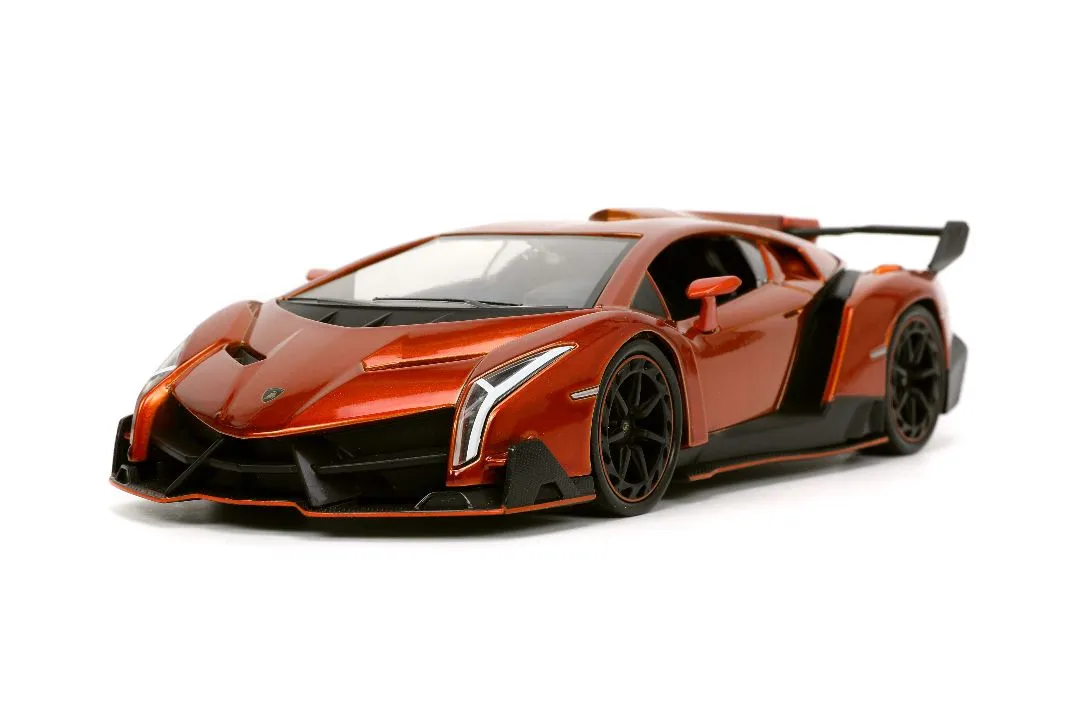
Understanding Diecast Models
Diecast models have captivated enthusiasts for generations, offering a tangible connection to automotive history and design. These miniature replicas, often crafted with remarkable detail, span a wide range of vehicles, from classic cars and race cars to modern supercars and trucks. They are more than just toys; they are collectible items, investments, and a testament to the artistry of miniature engineering. Understanding the basics of diecast models is the first step toward starting or expanding your collection. This guide will help you navigate the world of diecast models, providing insights into what they are, how they’re made, and how to choose the best ones for your interests.
What are Diecast Models
Diecast models are miniature vehicles produced using a die-casting process. This involves injecting molten metal, typically zinc alloy (also known as Zamak), into molds. The metal solidifies to form the vehicle’s body and other components. They are known for their durability and ability to capture intricate details. These models come in various scales, with the most common being 1:18, 1:24, and 1:43, meaning the model is 1/18th, 1/24th, or 1/43rd the size of the real vehicle. The level of detail can vary significantly, from basic models to highly detailed replicas featuring opening doors, detailed interiors, and realistic paint finishes. Diecast models appeal to a broad audience, from children who enjoy playing with them to serious collectors who appreciate their craftsmanship and historical significance.
The Materials Used

The primary material used in diecast models is Zamak, a zinc alloy known for its excellent casting properties, strength, and ability to capture fine details. This alloy is ideal for replicating the complex shapes of car bodies and other parts. Other materials are also used in the construction. Plastic is used for interior components, tires, and some exterior details. Rubber is used for tires, providing a realistic look and feel. Glass or clear plastic is used for windows, headlights, and taillights. Some high-end models may incorporate photo-etched parts, such as grilles and emblems, for added detail and realism. The combination of these materials creates a durable and detailed miniature replica of the original vehicle. See image diecast-model-materials.webp for material example.
Scale and Size
Scale is a crucial factor in diecast model collecting. The scale indicates the ratio between the model’s size and the actual vehicle’s size. Common scales include 1:18, 1:24, 1:43, and 1:64. The 1:18 scale is popular for its large size and impressive detail, making it ideal for showcasing individual models. The 1:24 scale is a good mid-size option, offering a balance of detail and display space. The 1:43 scale is a widely collected scale, offering a broader range of models and is easier to display in larger collections. The 1:64 scale, also known as the ‘Matchbox’ or ‘Hot Wheels’ scale, is popular for its affordability and ease of collecting. Choosing a scale depends on personal preferences, available space, and the types of vehicles you are most interested in collecting. Consider also how many models you intend to display. See diecast-model-scale.webp for scale model sizes.
Choosing the Right Diecast Models
Selecting the right diecast models involves considering your interests, researching brands, and setting a budget. This ensures a satisfying collecting experience. Deciding what kind of cars or trucks you want to collect is the first step. Are you passionate about classic cars, race cars, or modern supercars? Do you prefer a specific brand or era? Answering these questions will help you narrow your focus and guide your collecting choices. Understanding the different scales, materials, and brands available allows you to make informed decisions. See diecast-model-interests.webp.
Determine Your Interests

The best way to start is to identify your interests. What types of vehicles do you find most appealing? Are you drawn to vintage cars, muscle cars, sports cars, or perhaps trucks and construction vehicles? Focusing on a specific type or era can make your collection more cohesive and meaningful. Consider the brands that you admire. Do you have a favorite car manufacturer, such as Ferrari, Porsche, or Ford? This can guide your choices and give your collection a theme. Defining your interests is the first step towards building a collection that reflects your personal taste and passion. Starting with what you love ensures that the collecting experience is enjoyable and rewarding. See image diecast-model-interests.webp
Research Different Brands
Different brands offer varying levels of detail, quality, and price. Some of the most popular and respected brands include Autoart, Minichamps, CMC (Classic Model Cars), and Bburago. Autoart is known for its high-quality models and excellent detail, often featuring opening doors, detailed engines, and realistic interiors. Minichamps offers a wide range of models, from road cars to race cars, with a focus on accuracy and detail. CMC specializes in high-end, meticulously crafted models that are prized by collectors. Bburago is a more affordable brand that produces a variety of models, making it a good option for beginners. Researching these and other brands will help you understand the market and make informed decisions about which models to add to your collection. See image diecast-model-brand-selection.webp
Set a Budget
Setting a budget is essential for managing your collecting expenses and avoiding overspending. Diecast models range in price from a few dollars to several hundred, depending on the scale, brand, and level of detail. Determine how much you are willing to spend on each model and how much you want to allocate to your collection overall. Start with affordable models and gradually add more expensive ones as your collection grows. Consider setting a monthly or annual budget to track your spending. Setting a budget allows you to collect responsibly and enjoy the hobby without financial stress. Be mindful of the prices and make sure you are not overpaying or overspending your budget.
Top 5 Best Diecast Models to Consider

Here are five outstanding diecast models across different categories, each offering impressive detail and collectibility.
Model Car 1
1967 Shelby GT500 (1:18 scale): This classic muscle car, often produced by Autoart or similar brands, features a detailed engine, opening doors, and a meticulously crafted interior. Its iconic design and historical significance make it a standout piece in any collection. The model accurately captures the essence of the legendary Shelby GT500, with its distinctive stripes, aggressive stance, and powerful presence. Owning this diecast model is like having a piece of automotive history in your hands. See image diecast-model-car-1.webp
Model Car 2
Ferrari 250 GTO (1:18 scale): Known for its elegance and racing pedigree, the Ferrari 250 GTO is a highly sought-after model. Brands like CMC are known to produce exceptionally detailed replicas of this car. Expect features like a finely detailed engine, working suspension, and a luxurious interior. This model represents the pinnacle of automotive design and engineering. Collectors appreciate its rarity and exquisite craftsmanship. Every aspect of this model reflects the beauty and performance of the original vehicle.
Model Car 3

Porsche 911 Turbo (1:18 scale): This model is a fantastic option for Porsche enthusiasts. Brands like Minichamps and Autoart produce excellent versions of this iconic sports car. Collectors look for details like accurate paint finishes, detailed interiors, and functional features. Owning this diecast allows enthusiasts to appreciate the design and performance of the real car in a scaled down version. The Porsche 911 Turbo is a symbol of automotive excellence.
Model Car 4
Lamborghini Aventador (1:18 scale): Modern supercar diecast models, often from Autoart or similar brands, offer sleek designs and intricate details. These models frequently include opening doors, detailed engines, and accurate interiors. Their stunning aesthetics make them a favorite among collectors. Owning this diecast allows enthusiasts to appreciate the futuristic design and immense power of the Lamborghini Aventador. This model is a testament to automotive innovation and style.
Model Car 5
Ford F-150 Raptor (1:24 scale): For those interested in trucks, the Ford F-150 Raptor provides a great scale. These models often feature detailed off-road features and a rugged aesthetic. This model accurately represents the real truck, with all its features and details. Owning this diecast allows enthusiasts to appreciate the off-road capabilities and powerful design of the Ford F-150 Raptor. See image diecast-model-car-5.webp.
Factors to Consider When Buying

Several factors influence the value and enjoyment of diecast models. Attention to detail, accuracy, and condition are essential. Consider where you intend to buy the models as well. These factors will impact the overall collecting experience.
Details and Accuracy
The level of detail and accuracy is a key factor in evaluating a diecast model. Look for models with finely crafted interiors, detailed engines, and accurate paint finishes. Check for features like opening doors, functional steering, and realistic tires. The more accurately a model represents the real vehicle, the more desirable it will be. High-quality models capture the essence of the original vehicle, offering a true representation of its design and engineering. The details can include everything from the stitching on the seats to the logos on the engine.
Reviews and Ratings
Before purchasing a diecast model, it’s helpful to read reviews and check ratings from other collectors. Online retailers and dedicated model car forums often have user reviews and ratings that can provide valuable insights into the model’s quality and accuracy. These reviews will highlight any issues, such as paint defects or assembly problems. Reading reviews allows you to assess the quality of the model before purchasing it. It’s a great way to learn from other collectors’ experiences. Consider reviews from both novice and experienced collectors for a comprehensive perspective.
Pricing and Value

The price of diecast models can vary greatly depending on the brand, scale, detail, and rarity. Research the market value of the models you are interested in to ensure you are paying a fair price. Compare prices from different retailers and consider the model’s condition. Limited-edition models or those with historical significance may command higher prices. Look at the potential for appreciation. Some models increase in value over time. Evaluate the model’s overall value and condition. Price should align with its features, detail, and brand reputation. Make sure you are not overpaying.
Where to Buy
Several avenues exist for acquiring diecast models. The best place to buy these models depends on your preferences. Both online and offline retailers can be a great source for models.
Online Retailers
Online retailers offer a vast selection of diecast models, often with competitive pricing and the convenience of home delivery. Popular online retailers include Amazon, eBay, and specialist model car stores. These platforms allow you to compare prices, read reviews, and easily access a wide range of models. Check the retailer’s return policies. Always verify the seller’s reputation before making a purchase. Use comparison websites to find the best deals. See image diecast-model-retailers.webp
Specialty Shops

Specialty shops offer a more curated selection of diecast models and provide an opportunity to see the models in person. These stores often have knowledgeable staff who can offer expert advice and guidance. You can physically inspect the models and ensure they meet your standards. Specialty shops can also be a great place to find rare or limited-edition models. Supporting local businesses is another benefit. Visiting a specialty shop can enhance the collecting experience.
Auctions and Collectibles Shows
Auctions and collectibles shows can be great places to find rare and valuable diecast models. These events offer a chance to discover unique pieces and potentially acquire them at a favorable price. Auction houses, both online and offline, often feature high-value models. Collectibles shows provide a platform for collectors to buy, sell, and trade models. These shows offer a diverse selection. Check the condition of any model and do your research beforehand. These events can be very rewarding for serious collectors.
Conclusion
Choosing the best diecast models involves understanding what they are, researching brands, and knowing where to buy them. By considering your interests, setting a budget, and focusing on detail and accuracy, you can build a collection you’ll cherish. Whether you are drawn to classic cars, modern supercars, or trucks, there is a diecast model for every enthusiast. Enjoy the journey of collecting and the satisfaction of owning these miniature masterpieces. Happy collecting!